
Stress may also worsen existing digestive disorders, including irritable bowel syndrome and gastroesophageal reflux disease.
Supporting Digestive Health During Stress
Eating regular balanced meals, staying hydrated, getting enough fiber, limiting excessive caffeine, and avoiding foods that repeatedly trigger symptoms may help.
Slow eating and mindful breathing before meals can also help reduce stress-related digestive discomfort in some people.
Stress does not affect only the mind. Persistent emotional strain can influence muscles, digestion, sleep, appetite, hormones, and even the way the heart feels during everyday activities.
4. Heart Palpitations
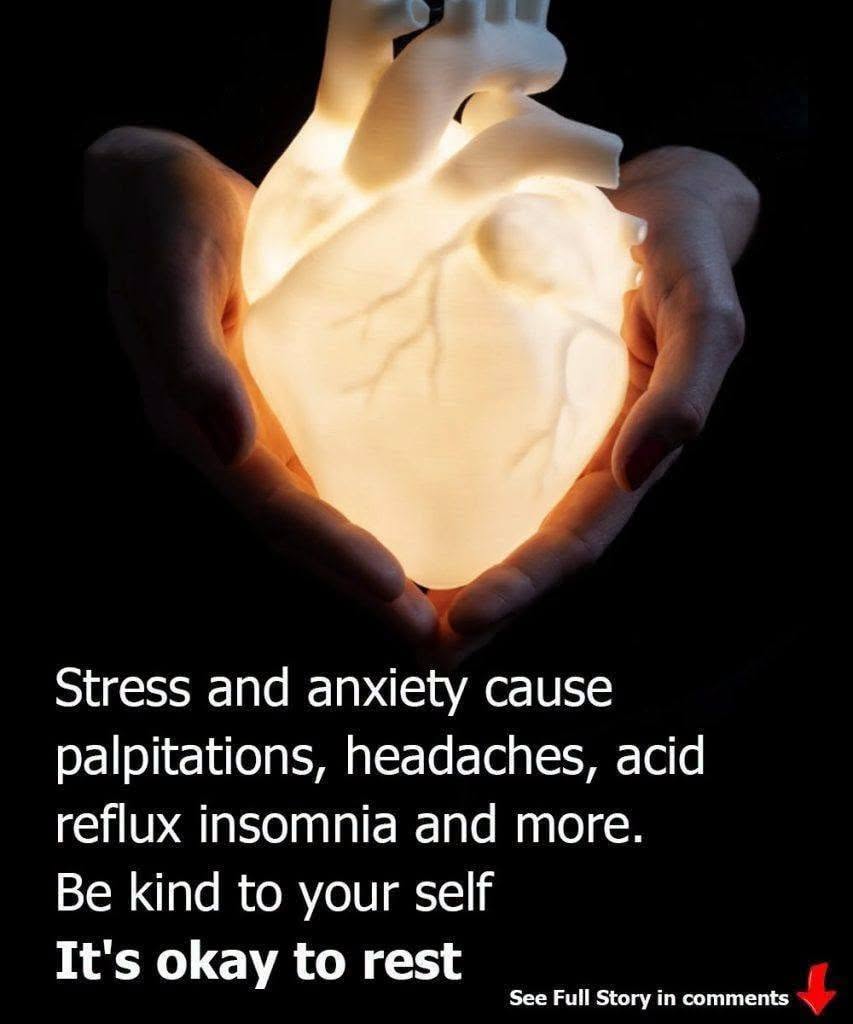
Stress and anxiety can sometimes make your heart feel as though it is racing, pounding, fluttering, or skipping beats.
This happens because stress hormones such as adrenaline increase heart rate and prepare the body to respond to a perceived threat.
Occasional palpitations during stressful moments are common, but they can feel frightening, which may create even more anxiety and make the sensation stronger.
When Heart Palpitations Need Medical Attention
Frequent or persistent palpitations should be discussed with a healthcare professional, especially if they occur without an obvious emotional trigger.
Seek urgent medical care if palpitations occur with chest pain, fainting, severe shortness of breath, weakness, or significant dizziness.
Stress management can help, but heart rhythm disturbances and other cardiovascular conditions can cause similar symptoms and should not automatically be blamed on anxiety.
Supporting Heart Health During Stress
Regular physical activity, good sleep, reducing excessive caffeine, limiting nicotine, and using relaxation techniques may help reduce stress-related palpitations.
Slow breathing exercises can also help activate the body’s relaxation response.
5. Irregular Menstrual Cycles
Chronic stress may influence the hormones involved in the menstrual cycle.
During periods of intense emotional or physical stress, some women may experience:
- Delayed periods
- Missed periods
- Shorter or longer cycles
- Lighter bleeding
- Heavier bleeding
- Changes in premenstrual symptoms
Stress may affect the hormonal signals involved in ovulation, which can temporarily change menstrual timing.
However, irregular menstruation can have many other causes, including pregnancy, thyroid disorders, polycystic ovary syndrome, weight changes, certain medications, perimenopause, and other hormonal conditions.
