
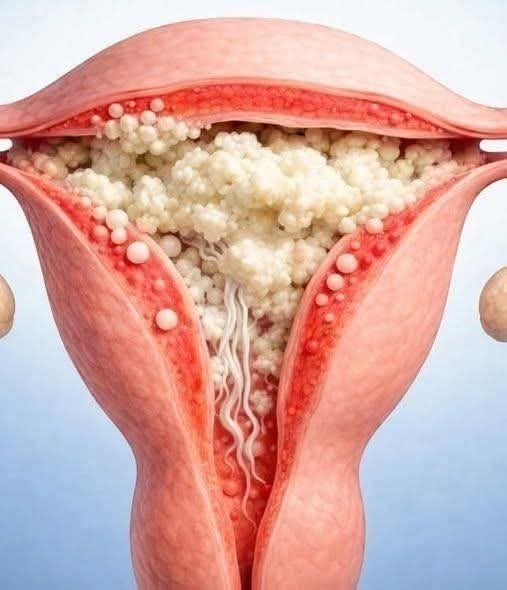
Human Papillomavirus (HPV)
HPV is one of the most common sexually transmitted viruses worldwide. While many HPV infections disappear naturally, some high-risk strains can cause abnormal changes in the cervix that may eventually develop into cervical cancer if not detected and treated. Regular cervical screening and HPV vaccination greatly reduce this risk.
Emotional and Psychological Well-Being
Sexual health is not only physical. Some women may experience emotional stress, anxiety, or relationship challenges depending on their personal values, life circumstances, and experiences. Others may not experience any negative emotional effects. These experiences vary greatly from person to person and should not be generalized.
Pregnancy Risk
Having multiple sexual partners also increases the possibility of unintended pregnancy if reliable contraception is not used consistently. Proper family planning methods can significantly reduce this risk
Can the Uterus or Vagina Become "Loose"?
This is one of the most widespread myths. Scientific evidence shows that the vagina does not become permanently loose because of having multiple sexual partners. The vaginal muscles naturally expand during intercourse and then return to their usual state. Long-term changes in pelvic floor muscles are much more commonly associated with aging, pregnancy, and childbirth than with sexual activity.
Protecting Reproductive Health
Women can protect their reproductive health by using condoms correctly during sexual activity, limiting exposure to untreated infections, getting regular STI testing when appropriate, attending routine gynecological examinations, receiving the HPV vaccine if eligible, and seeking medical care promptly if symptoms such as unusual discharge, pelvic pain, sores, or abnormal bleeding develop.
The Bottom Line
Having sex with multiple partners does not directly damage a woman's uterus or permanently change her reproductive organs. The real health concern is the increased likelihood of sexually transmitted infections, which, if left untreated, can affect fertility and overall reproductive health. Safe sexual practices, regular medical checkups, and open communication with partners are the most effective ways to maintain long-term sexual and reproductive health.
