
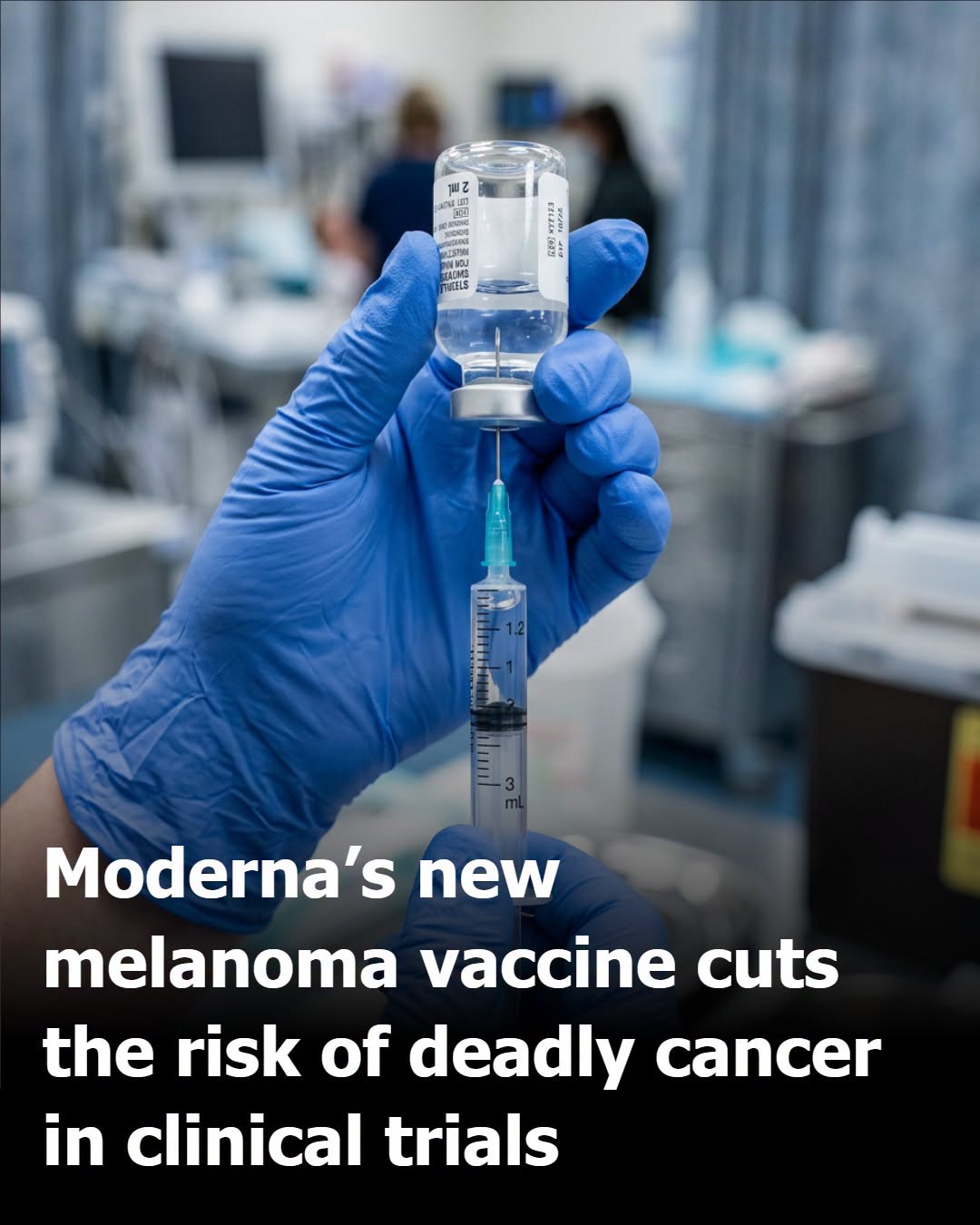
Scientists Are Turning a Patient’s Own Tumor Into a Personalized Cancer Vaccine
Imagine a cancer vaccine designed not for millions of people, but for one individual patient.
That idea is becoming a reality as researchers develop personalized mRNA cancer vaccines that use genetic information from a patient's own tumor to help the immune system recognize and attack cancer cells.
Unlike traditional vaccines, which are generally designed to protect against infections, these experimental cancer vaccines are created after a tumor has been analyzed. Scientists examine the genetic changes inside the cancer and identify abnormal proteins, known as neoantigens, that may help distinguish tumor cells from healthy cells.
Researchers can then use this information to create an individualized mRNA vaccine. The vaccine essentially gives the immune system instructions for recognizing these cancer-specific targets, allowing immune cells to search for and destroy cells carrying them.
One of the most closely watched areas of research has been melanoma, an aggressive form of skin cancer that can return or spread even after the original tumor has been removed.
In clinical research combining a personalized mRNA vaccine with an immune checkpoint inhibitor, investigators have reported encouraging improvements in outcomes compared with immunotherapy alone. Longer-term follow-up has continued to attract attention because preventing melanoma from returning or spreading is one of the biggest challenges facing patients after surgery.
The concept is remarkably different from conventional cancer treatment. Instead of giving every patient exactly the same vaccine, researchers attempt to create a treatment based on the unique genetic fingerprint of that person's tumor.
This approach is sometimes described as a form of precision immunotherapy.
The vaccine itself does not simply "kill cancer." Instead, it is intended to train the immune system to recognize specific characteristics of the patient's tumor. Immunotherapy can then help remove some of the mechanisms cancer cells use to hide from or suppress immune attacks.
Researchers have reported reductions in the risk of recurrence or death and reductions in the risk of distant metastasis in certain clinical trials. Some reports have also shown encouraging long-term disease-free survival among patients receiving the personalized vaccine approach
Continue reading on the next page
