
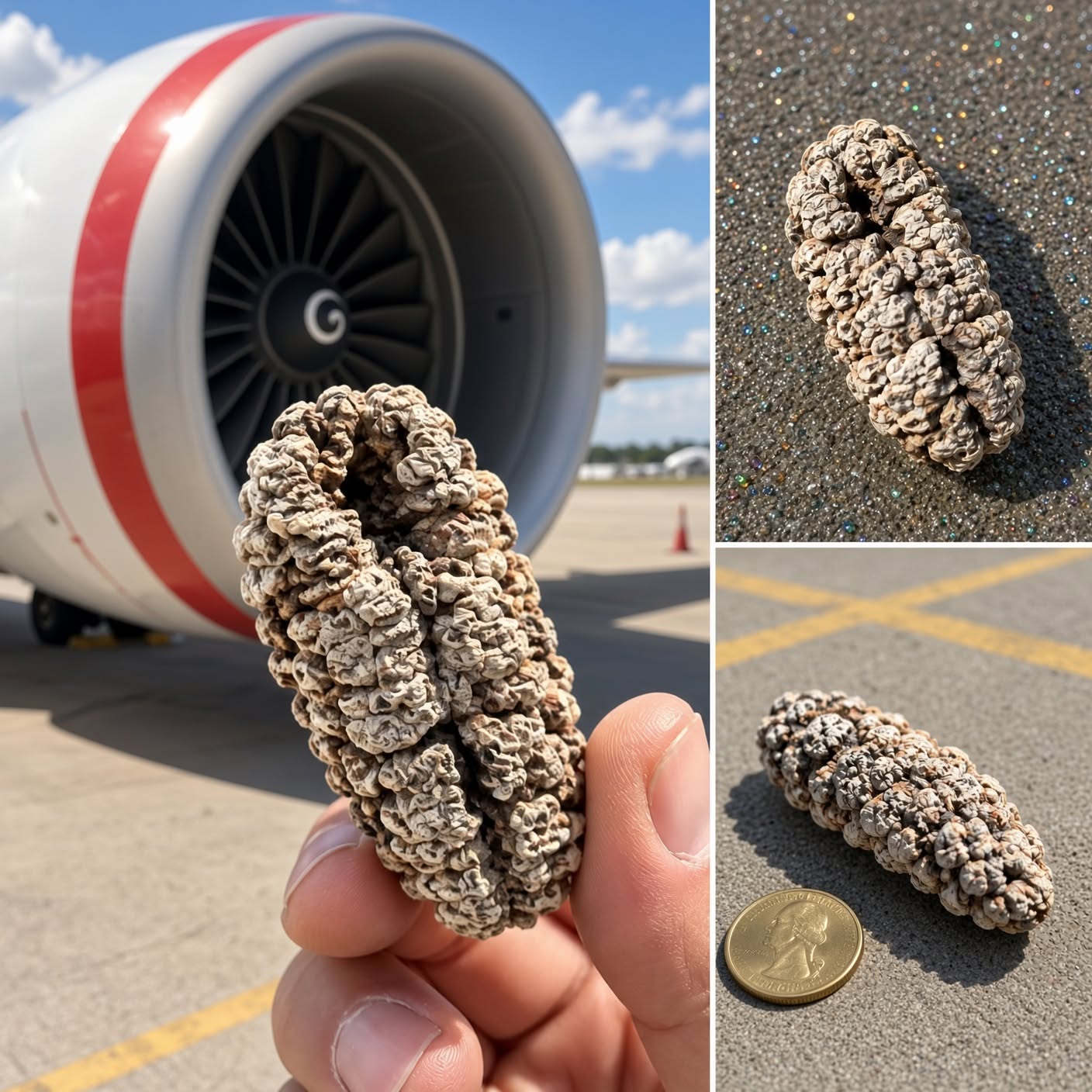
However, sky-high prices inevitably trigger intense demand. As wild populations in traditional East Asian waters became severely depleted by overharvesting, the supply chain stretched out across the globe. Commercial operations and opportunistic harvesters expanded into North America, Central America, the Mediterranean, the Pacific Islands, and the African coastline to fulfill the insatiable demand.
Yet, this lucrative market carries a dangerous underbelly. What looks like a harmless dried snack is closely regulated by international wildlife treaties and strict customs laws. When high prices meet tight legal quotas, an entire shadow industry emerges—raising the question of how that single piece broke free in the first place.
Finding a solitary dried sea cucumber on the floor of a plane is not just a quirky coincidence; it is often the telltale signature of illicit wildlife trafficking. International travel and cargo hubs are the primary front lines where customs agents battle the illegal wildlife trade. While elephant ivory, rhino horn, and tiger bone dominate public awareness, marine wildlife smuggling—particularly dried shark fins and sea cucumbers—represents a multi-million-dollar illicit pipeline.
Due to aggressive overexploitation, numerous sea cucumber species are now protected under the Convention on International Trade in Endangered Species of Wild Fauna and Flora (CITES). Transporting them across international borders requires rigorous permits, certificates of origin, and phytosanitary inspections to confirm they were harvested legally and sustainably.
Unlicensed traders, however, routinely bypass these channels to avoid taxes, harvest bans, and conservation quotas. Because dried sea cucumbers are compact, odorless when cured properly, and hard as stone, smugglers frequently conceal them inside commercial shipping containers, vacuum-sealed luggage, or beneath layers of legitimate dry food like tea, spices, and dried mushrooms.
