
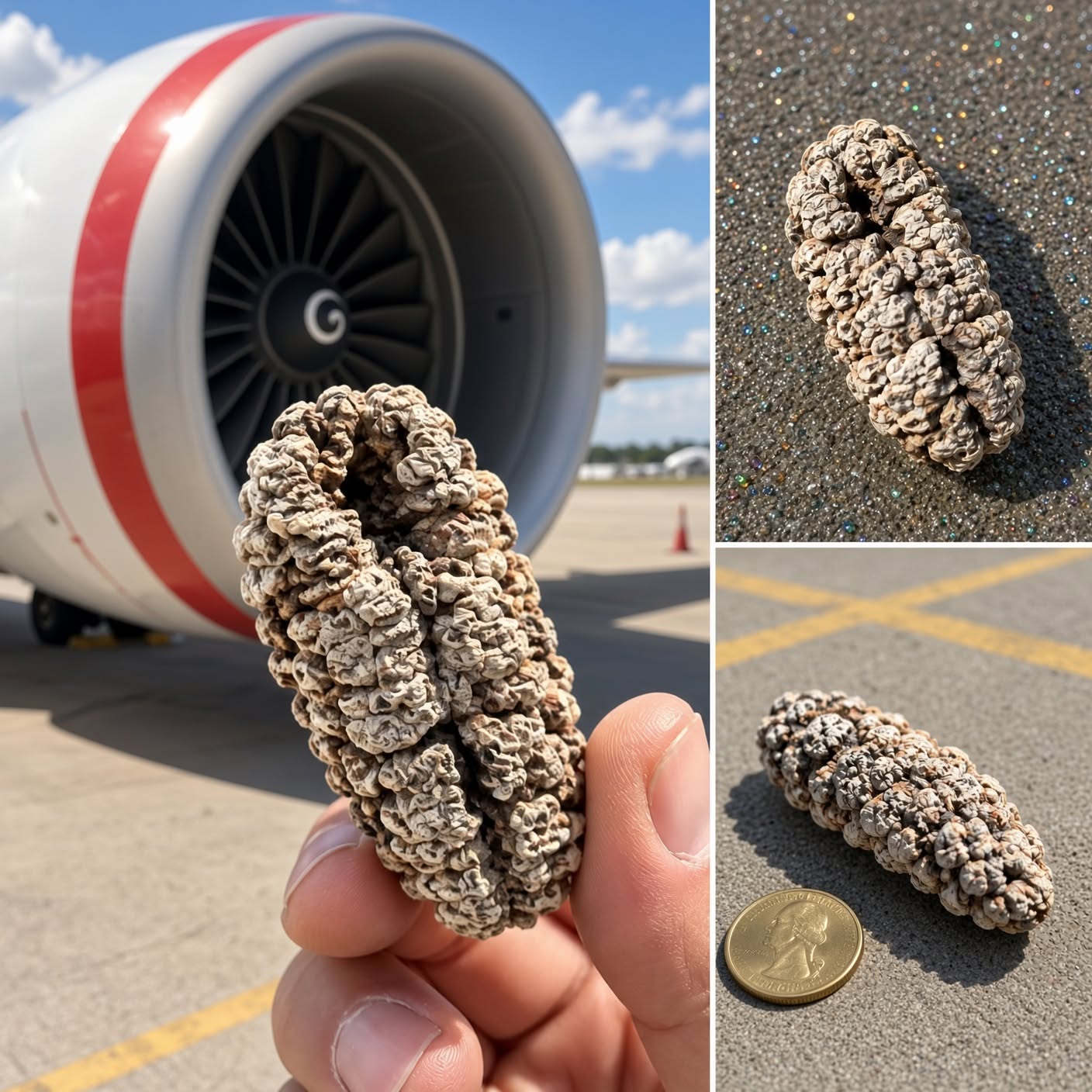
Air cargo holds are busy, pressurized environments where baggage is stacked tightly and shifted during flight turbulence. If an unlicensed traveler or a courier attempts to move a stash of high-value dried marine goods in lightweight or poorly sealed baggage, a seam can easily burst. A single dried cucumber rolling out of a compromised zipper, tumbling across the luggage compartment floor, and getting kicked behind a cargo net during unloading is all it takes to leave a mysterious artifact behind.
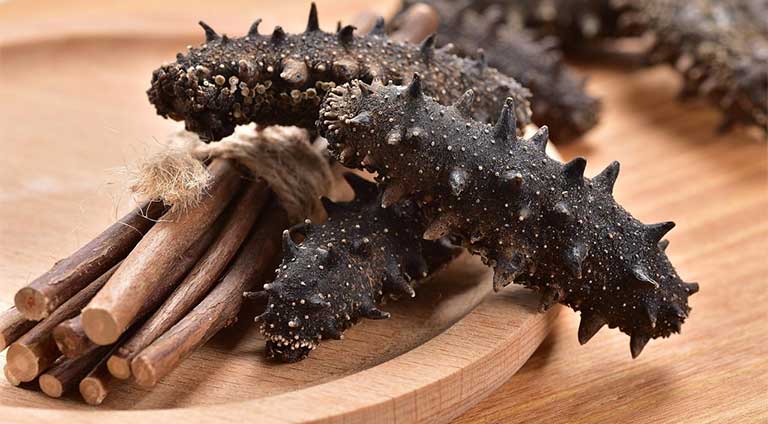
Airport and border protection teams across the globe regularly uncover suitcases packed to the brim with hundreds of pounds of dried sea cucumbers. In many recorded seizures at hubs in California, Mexico, and Southeast Asia, traffickers have been caught carrying tens of thousands of dollars worth of these dried creatures stashed in checked bags, without declaring a single gram to customs officials.
The environmental cost of this illegal trade is staggering. Sea cucumbers reproduce slowly and gather in accessible shallow coastal waters, making entire local populations vulnerable to swift wipeouts. When poachers strip a reef of its sea cucumbers, the ocean floor suffers from algae blooms, sediment acidification, and declining health across the entire marine ecosystem.
What began as a perplexing photograph taken by a curious tarmac worker captures a much bigger story than an odd stone. That small, gray, wrinkled nugget sitting beside a metal quarter connects the quiet depths of the ocean floor, the luxurious banquets of distant metropolises, and the global shadow battle over environmental conservation. Every strange object on the airport floor has a path that brought it there—and sometimes, the most unassuming rocks reveal the widest windows into our interconnected world.
