
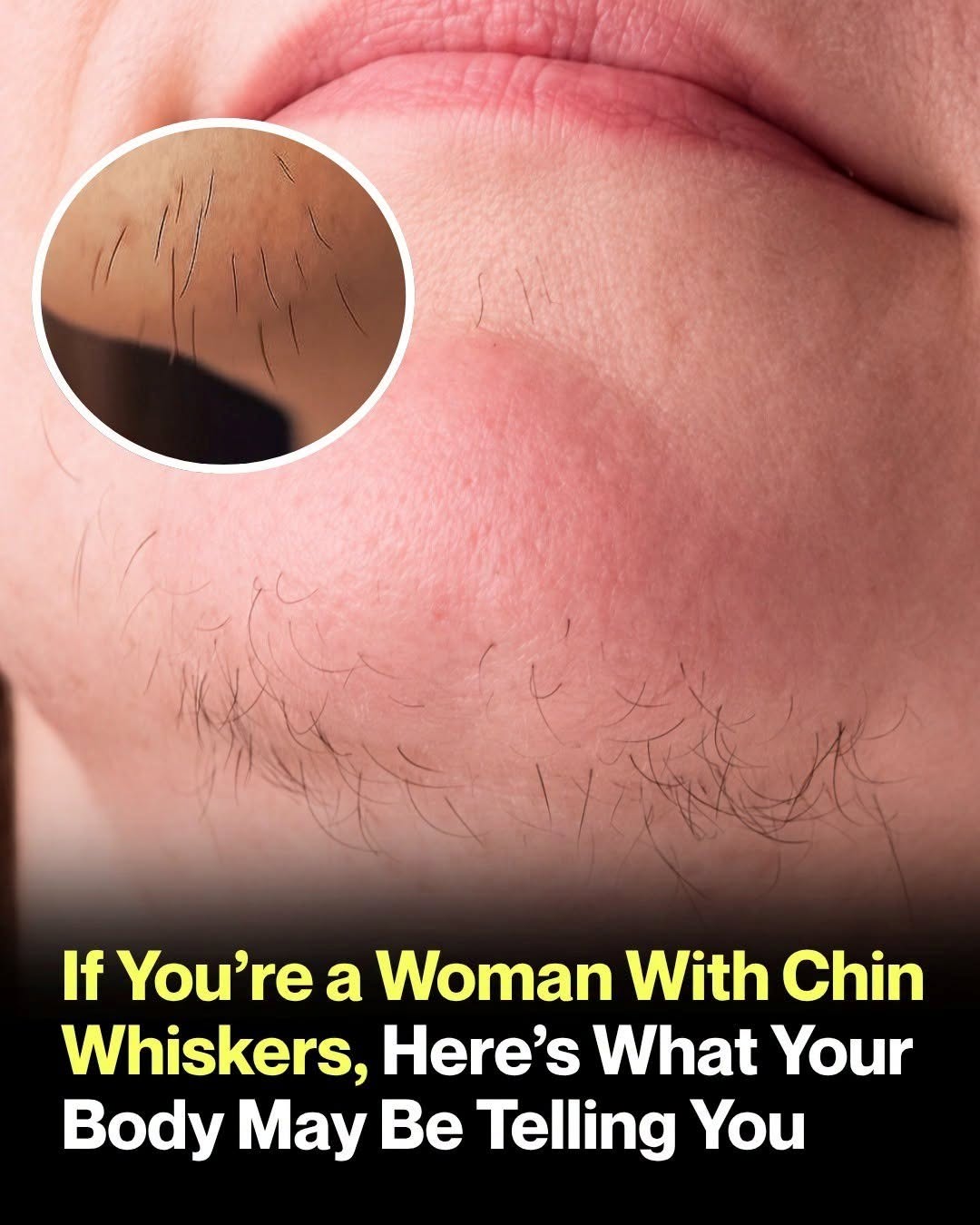
For example, a woman with two long-standing chin hairs and regular menstrual cycles is in a very different situation from someone who develops increasingly coarse facial hair together with irregular periods and worsening acne.
Diagnosis should be made by a healthcare professional, not by facial hair alone.
4. Your Hormone Levels May Not Be The Whole Story
It is tempting to think:
“More chin hair must mean more testosterone.”
The reality is more complicated.
Some women with symptoms of excess androgen activity have normal-looking androgen levels on blood tests. Hair follicles themselves vary in sensitivity to hormones, meaning that the same amount of circulating androgen can produce different effects in different people.
This is one reason doctors look at the entire clinical picture rather than relying on a single symptom or laboratory result.
In fact, Endocrine Society guidance suggests that women who have normal menstrual cycles and only localized unwanted hair — without a broader abnormal hirsutism pattern — do not necessarily need androgen testing because the likelihood of finding a disorder that would change management is relatively low.
In other words, one rogue chin whisker is not an automatic ticket to extensive hormone testing.
5. Certain Medications Can Affect Hair Growth
Sometimes the explanation may be hiding in the medicine cabinet.
A number of medicines and hormone-containing products have been associated with increased facial or body hair.
Examples can include certain testosterone or androgen products, anabolic steroids, DHEA supplements, danazol and minoxidil, among others. Mayo Clinic also notes that skin-to-skin exposure to another person’s topical androgen product can sometimes affect hormone exposure.
Never stop a prescribed medication simply because you notice facial hair.
Instead, tell your healthcare provider when the change started and provide a complete list of prescription drugs, over-the-counter medicines, supplements, hormone products and topical treatments you use.
That timeline can provide an important clue.
6. Less Common Hormonal Conditions Can Also Cause Excess Hair
PCOS gets much of the attention, but it isn’t the only condition associated with hirsutism.
Less commonly, excessive hair growth may occur with conditions affecting the adrenal glands or other parts of the endocrine system.
These include conditions such as Cushing syndrome and congenital adrenal hyperplasia. Rarely, an androgen-producing tumor involving an ovary or adrenal gland can lead to rapidly increasing facial or body hair.
The word rarely matters here.
Finding a chin hair is not a reason to assume something serious is happening.
What makes doctors more concerned is a sudden and dramatic change.

