
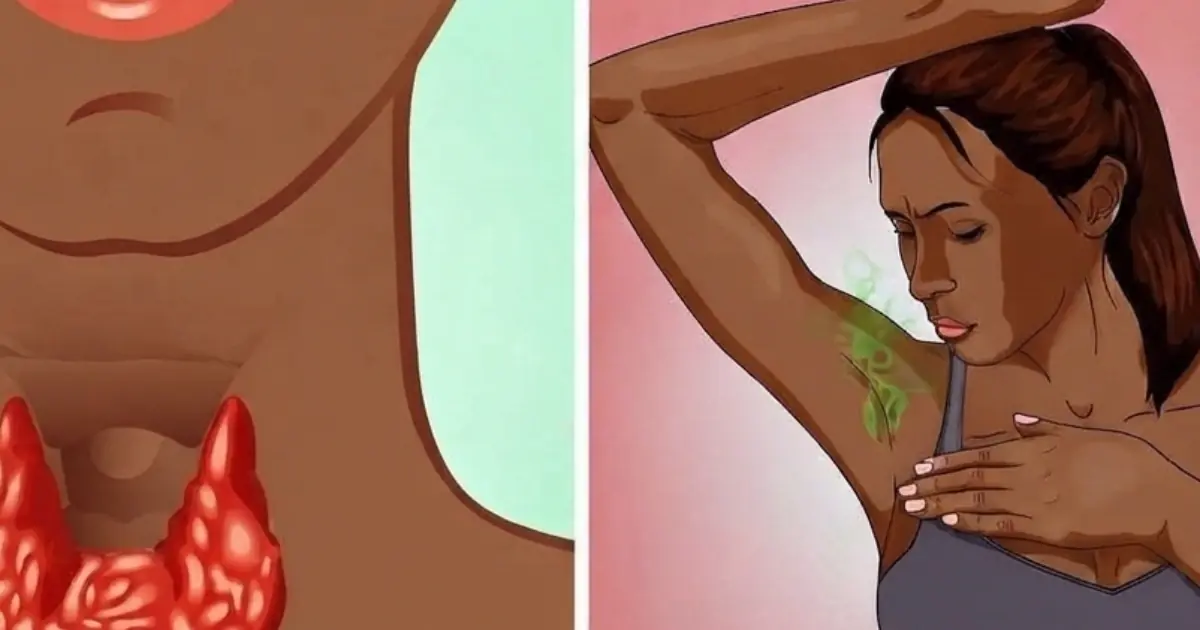
4. Your Heartbeat Feels Different
Thyroid hormones influence the cardiovascular system.
An overactive thyroid can cause the heart to beat faster than normal.
Some people may notice:
- A racing heartbeat
- Palpitations
- Pounding in the chest
- An unusually fast resting pulse
- Irregular or uncomfortable heartbeat sensations
Hypothyroidism can have different cardiovascular effects and may be associated with a slower heart rate in some people.
Palpitations shouldn’t automatically be attributed to the thyroid.
Caffeine, anxiety, dehydration, certain medications, anemia, abnormal heart rhythms, and other conditions can also cause them.
If you experience a new or persistent change in your heartbeat, especially with chest pain, severe shortness of breath, fainting, or severe dizziness, prompt medical evaluation is important.
5. Your Hair or Skin Starts Changing
The thyroid affects many tissues throughout the body, including the skin and hair.
When thyroid hormone levels are abnormal, some people may notice changes in the appearance or texture of their hair.
Possible changes include:
- Thinning hair
- Increased hair shedding
- Dry or brittle hair
- Coarser hair texture
- Thinning of the outer portion of the eyebrows
Hypothyroidism may also be associated with dry, rough, or unusually cool skin.
Some people may notice that their skin feels less soft or that it becomes more prone to dryness.
Hyperthyroidism can produce different skin changes, including warm, moist skin due to increased sweating.
These symptoms aren’t specific to thyroid disease.
Hair loss, for example, can occur after illness, during periods of significant stress, because of nutritional deficiencies, hormonal changes, certain medications, or other medical conditions.
Chapter 4
That’s why the broader symptom pattern matters.
6. Your Bowel Habits Change
Your thyroid can affect the digestive system as well.
An underactive thyroid may slow intestinal movement and contribute to constipation.
Someone who previously had regular bowel movements might begin experiencing:
- Less frequent bowel movements
- Harder stools
- Difficulty passing stool
- A feeling of incomplete evacuation
Hyperthyroidism can have the opposite effect and may contribute to more frequent bowel movements or diarrhea.
Of course, bowel changes are extremely common and can be caused by changes in:
- Fiber intake
- Fluid consumption
- Physical activity
- Medications
- Stress
- Food choices
- Gastrointestinal disorders
A persistent change without an obvious explanation deserves attention.
Particularly important are bowel changes accompanied by blood in the stool, unexplained weight loss, severe abdominal pain, or other concerning symptoms.
7. Your Mood or Mental Focus Changes
Thyroid hormones can influence the nervous system and brain function.
Some people with hypothyroidism report:
- Difficulty concentrating
- Forgetfulness
- Slower thinking
- Low mood
- Reduced motivation
- Feeling mentally “foggy”
Hyperthyroidism can produce a different pattern, including:
- Nervousness
- Irritability
- Restlessness
- Anxiety
- Difficulty concentrating
- Difficulty relaxing
These symptoms can be particularly confusing because they may initially appear psychological rather than physical.
But the relationship goes both ways.
