
Theme:AAA
Font Size:A-
24pxA+Stress, anxiety, depression, poor sleep, nutritional problems, and numerous other factors can cause similar symptoms.That’s why mental or cognitive changes should be considered alongside physical symptoms rather than used alone to identify a thyroid problem.
8. Your Sleep Pattern Changes
Thyroid dysfunction can interfere with sleep in different ways
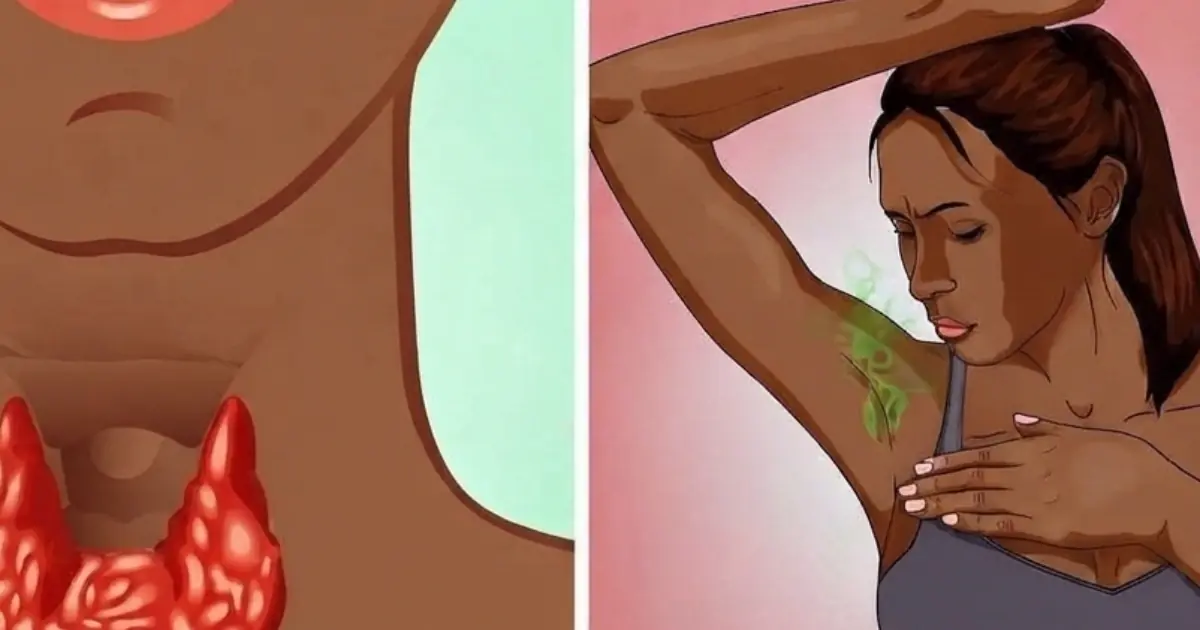
An overactive thyroid may leave you feeling physically restless and mentally alert when you want to sleep.
You may experience:
- Difficulty falling asleep
- Frequent nighttime awakenings
- Restlessness
- Feeling overheated at night
- Racing thoughts
- Excessive sweating
Hypothyroidism can produce significant daytime sleepiness and fatigue, although some people may also experience disrupted sleep.
The important distinction is between an occasional bad night and a persistent change.
If your sleep has changed for weeks without an obvious reason, consider the full range of possible causes—including caffeine, alcohol, stress, medications, sleep apnea, hormonal changes, and thyroid function.
9. Your Muscles Feel Weak or Your Joints Ache
Thyroid disorders can affect the musculoskeletal system.
Some people with hypothyroidism may develop:
- Muscle aches
- Stiffness
- Muscle weakness
- Cramps
- General physical sluggishness
Hyperthyroidism can also cause muscle weakness, particularly in the upper arms and thighs.
For example, someone might notice that activities that were previously easy—such as climbing stairs, standing from a chair, or lifting objects—have become unexpectedly difficult.
Joint discomfort can have many causes, particularly as people age, so muscle or joint symptoms alone don’t point specifically to thyroid disease.
However, when weakness occurs together with fatigue, weight changes, temperature sensitivity, heart-rate changes, or other thyroid-related symptoms, evaluation may be appropriate.
10. Your Menstrual Cycle or Reproductive Health Changes
Thyroid hormones interact with reproductive hormones, meaning thyroid dysfunction can sometimes affect menstrual cycles.
Chapter 6
People with hypothyroidism may experience:
- Heavier menstrual periods
- Longer or more frequent periods
- Menstrual irregularity
Hyperthyroidism may be associated with:
- Lighter periods
- Less frequent periods
- Irregular cycles
Thyroid dysfunction can also affect fertility in some people.
However, menstrual changes have numerous potential causes, including pregnancy, perimenopause, menopause, polycystic ovary syndrome, significant weight changes, stress, and other hormonal conditions.
If menstrual changes are new or persistent, especially when accompanied by other symptoms, they deserve medical evaluation.
Why Thyroid Problems Can Be Difficult to Recognize
One reason thyroid disorders can go undiagnosed is that the symptoms are often nonspecific.
Consider fatigue.
Fatigue can result from:
- Poor sleep
- Iron deficiency
- Anemia
- Stress
- Depression
- Infection
- Medication side effects
- Sleep apnea
- Nutritional deficiencies
- Chronic disease
- Thyroid dysfunction
The same applies to weight changes, hair loss, constipation, anxiety, and difficulty concentrating.
That’s why a list of symptoms found online cannot determine whether your thyroid is working properly.
The diagnosis usually requires a combination of symptoms, physical examination, medical history, and laboratory testing.
How Doctors Check Thyroid Function
When thyroid dysfunction is suspected, healthcare professionals commonly begin with blood tests.
One of the most important tests is thyroid-stimulating hormone (TSH).
Depending on the situation, a healthcare professional may also order:
