
Theme:AAA
Font Size:A-
24pxA+
- Free T4
- Sometimes free T3
- Thyroid antibody tests
- Additional testing based on symptoms and medical history
These tests help determine whether the thyroid is producing too little or too much hormone and, in some cases, help identify the underlying cause.
A physical examination may also include checking the neck for thyroid enlargement or nodules.
In some situations, imaging such as a thyroid ultrasound may be recommended.
Hypothyroidism vs. Hyperthyroidism
It can help to understand the basic difference.
Hypothyroidism
The thyroid doesn’t produce enough thyroid hormone.
Possible symptoms include:
- Fatigue
- Weight gain
- Cold intolerance
- Constipation
- Dry skin
- Hair changes
- Slower heart rate
- Muscle aches
- Depression or low mood
- Difficulty concentrating
Hyperthyroidism
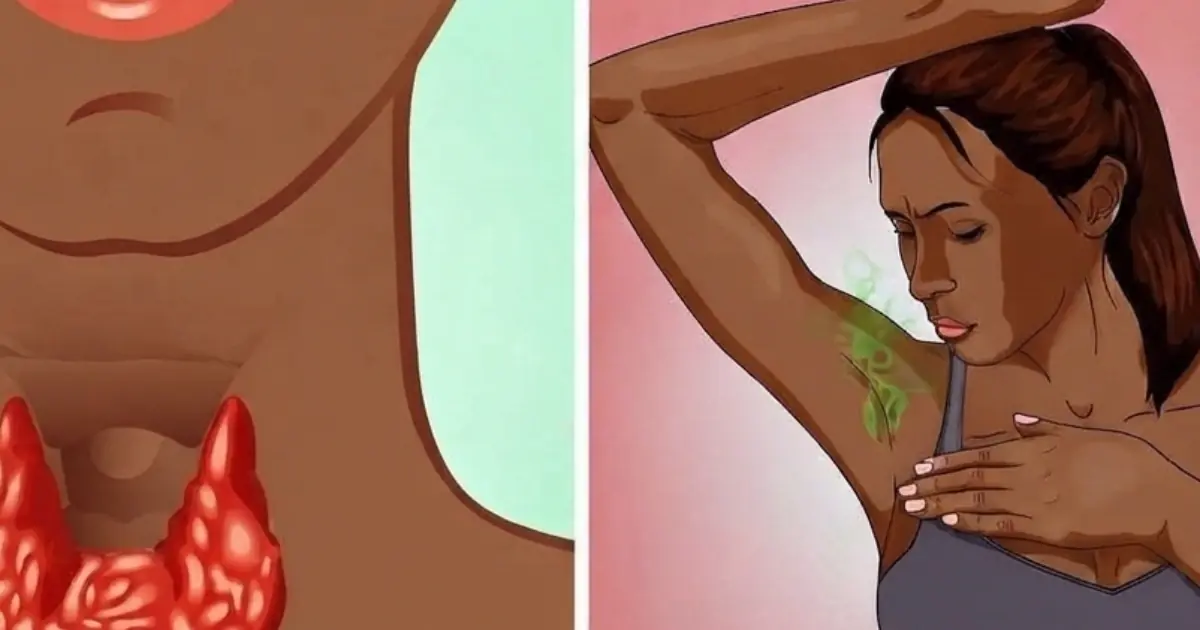
The thyroid produces too much thyroid hormone.
Possible symptoms include:
- Weight loss
- Heat intolerance
- Excessive sweating
- Rapid heartbeat
- Anxiety
- Trembling
- Increased bowel movements
- Difficulty sleeping
- Muscle weakness
- Increased appetite
Not everyone experiences the same symptoms, and some people have relatively few noticeable symptoms.
What Causes Thyroid Problems?
There are several possible causes.
One of the most common causes of hypothyroidism is Hashimoto’s thyroiditis, an autoimmune condition in which the immune system attacks thyroid tissue.
Chapter 8
Theme:AAA
Font Size:A-
24pxA+Hyperthyroidism can be caused by Graves’ disease, another autoimmune condition.Other potential causes include:
- Thyroid nodules
- Certain medications
- Thyroid inflammation
- Previous thyroid surgery
- Radiation treatment
- Excessive or insufficient iodine in specific circumstances
- Certain pituitary disorders
The cause matters because treatment depends on the underlying problem.
Don’t Assume Every Thyroid Symptom Means You Need Supplements
Thyroid health is frequently discussed online alongside iodine, selenium, herbal supplements, and various “thyroid support” products.
This can be misleading.
Taking large amounts of nutrients or supplements without knowing whether you are deficient can sometimes create additional problems.
In particular, excessive iodine can interfere with thyroid function in susceptible individuals.
If you suspect a thyroid problem, testing and professional evaluation are generally more useful than experimenting with high-dose supplements.
When Should You Talk to a Healthcare Professional?
Consider discussing your symptoms with a healthcare professional if you notice a persistent combination of changes such as:
- Unexplained weight gain or loss
- Persistent fatigue
- New temperature sensitivity
- Significant changes in heart rate
- Unexplained hair loss
- Persistent constipation or diarrhea
- Major mood or concentration changes
- New muscle weakness
- Menstrual changes
- Swelling or enlargement in the neck
A single symptom rarely provides enough information.
A pattern of symptoms that persists or progresses is more meaningful.

Don’t Ignore a New Lump in Your Neck
