
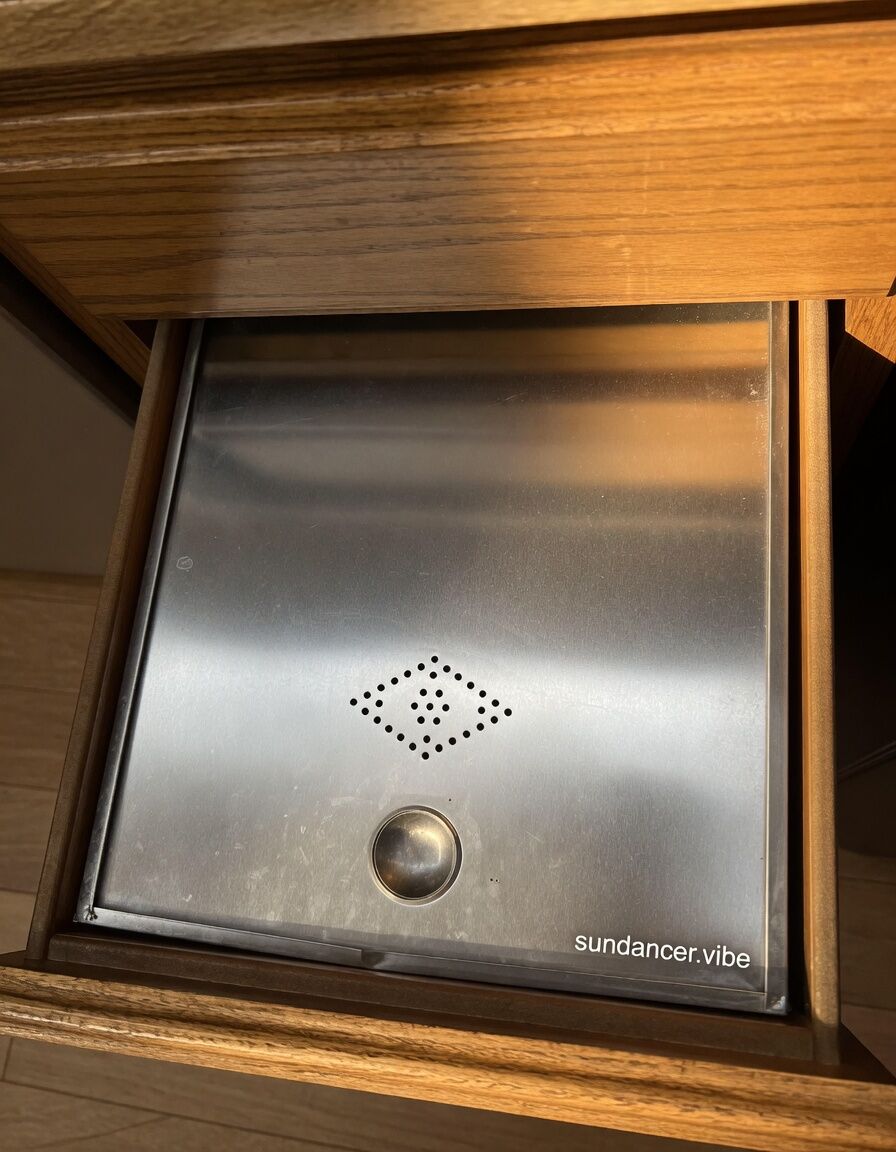
There are certain objects from the past that don’t just fade away—they quietly wait, tucked into memory, ready to return the moment we slow down long enough to notice them again. The breadbox is one of those objects. It wasn’t loud, it wasn’t technological, and it didn’t demand attention. Yet for decades, it sat in the heart of the home: the kitchen. A simple wooden or metal box placed on a counter or built into cabinetry, it held something far more important than bread. It held routine, comfort, and the rhythm of everyday family life. Before plastic wrap, vacuum seals, and supermarket aisles filled with long-lasting loaves, the breadbox was essential. It was a quiet solution to a daily problem—how to keep bread fresh, soft inside, and just crisp enough on the outside. But over time, it became something even more meaningful: a symbol of home itself.
In the mid-20th century, especially across American households between the 1940s and 1980s, the breadbox was as common as a kettle or a stove. Homes were built around routines that revolved heavily around the kitchen. Breakfast wasn’t grabbed on the go—it was prepared. Lunches weren’t pre-packaged—they were assembled with care. Dinner was not a convenience; it was a ritual. In that world, bread was central. It was sliced for sandwiches, toasted for breakfast, buttered for supper, and often baked at home on weekends when time allowed. The breadbox sat quietly nearby, preserving those loaves in an era before preservatives extended shelf life. Its design was simple but clever: ventilation holes allowed just enough airflow to prevent mold, while shielding the bread from drying out too quickly. It didn’t try to be anything more than it was. And yet, it became indispensable, woven into the daily life of millions of families who rarely thought twice about opening and closing it dozens of times a week.
