
It Is Essential After Morning Exercise
For anyone who exercises in the morning — runs, goes to the gym, practices yoga, cycles — a morning shower is not a preference but a hygiene necessity. Sweat left on the skin after exercise, particularly in areas of friction or where clothing contacts the body, can cause folliculitis (inflammation of hair follicles) and acne mechanica, a type of breakout caused by heat, pressure, and friction. Showering promptly after any workout removes the sweat and bacteria responsible for these conditions before they cause problems.
What Determines the Best Choice for You
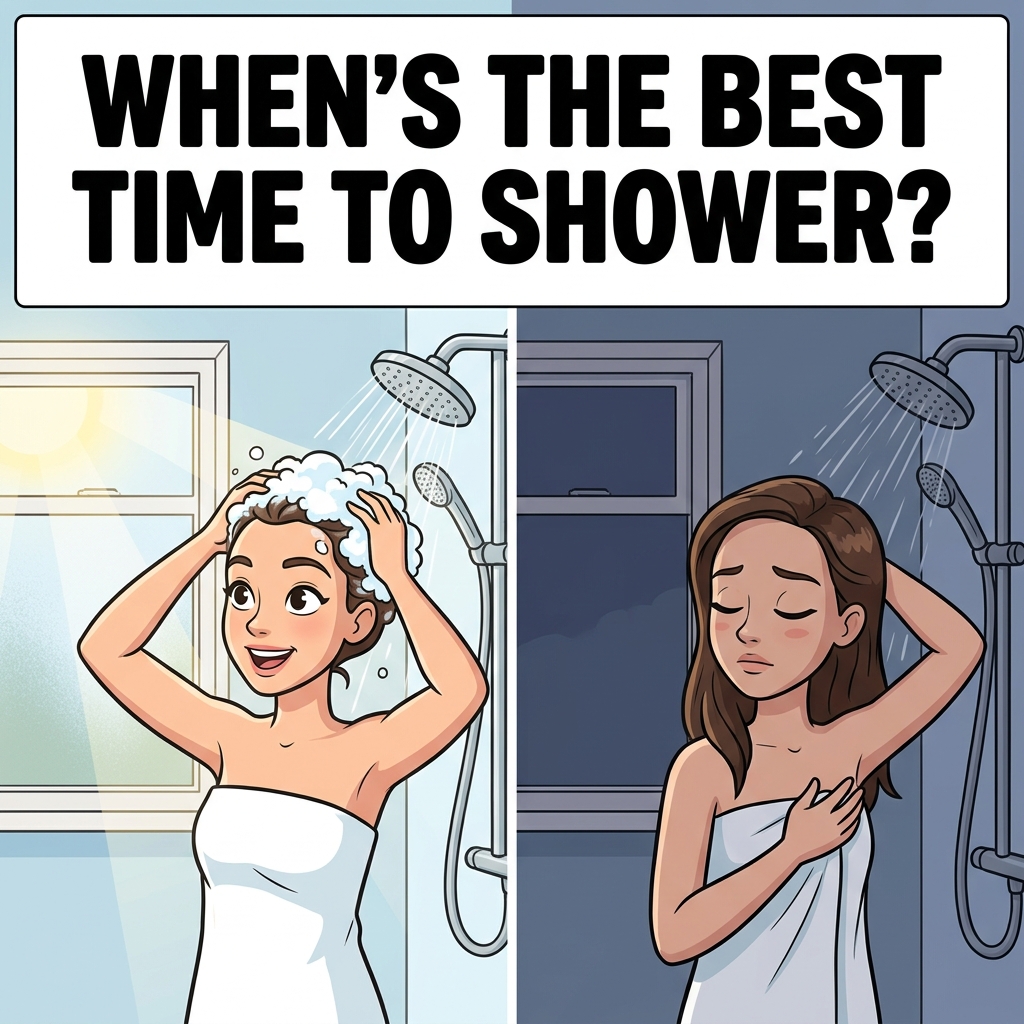
Given that both options have real benefits and neither is universally superior, the most useful framework is to match the timing to your specific situation. If sleep quality is your primary concern and you struggle to fall asleep or stay asleep, a warm shower 60 to 90 minutes before bedtime is worth trying — the sleep research behind this is solid. If you exercise in the morning, a morning shower is unavoidable and appropriate. If you have oily or acne-prone skin, a night shower helps more. If you have very dry or sensitive skin, the timing matters less than using gentle, non-stripping cleansers and moisturizing immediately after showering, regardless of when you do it.
One practical consideration that dermatologists consistently raise but rarely gets enough attention: what you do with your bedding matters at least as much as when you shower. Even a meticulous nightly shower loses much of its benefit if you sleep on sheets that have not been washed in weeks. Pillow cases in particular accumulate sweat, skin cells, and sebum rapidly — washing them at minimum weekly, and ideally more often for people with acne or sensitive skin, makes a meaningful difference to skin health regardless of shower timing.
A Note on Shower Technique That Applies at Either Time
Water temperature matters more than timing for skin health. Hot water — above approximately 104 degrees Fahrenheit (40 degrees Celsius) — strips the skin's natural oils more aggressively than warm water and can worsen inflammatory skin conditions including eczema and psoriasis. The American Academy of Dermatology recommends limiting showers to 5 to 10 minutes to minimize oil stripping, and applying moisturizer within a few minutes of stepping out, while the skin is still slightly damp, to lock in hydration. These habits produce better skin outcomes than shower timing alone. A brief cool rinse at the end of a shower — regardless of when you take it — can help close pores, improve circulation slightly, and in the morning, contribute to the alertness effect described above.
The bottom line is straightforward: both morning and evening showers are entirely legitimate hygiene practices with distinct advantages. The best time to shower is the time that fits your life, aligns with your skin's needs, and that you will actually maintain consistently. Consistency matters far more than timing.
