
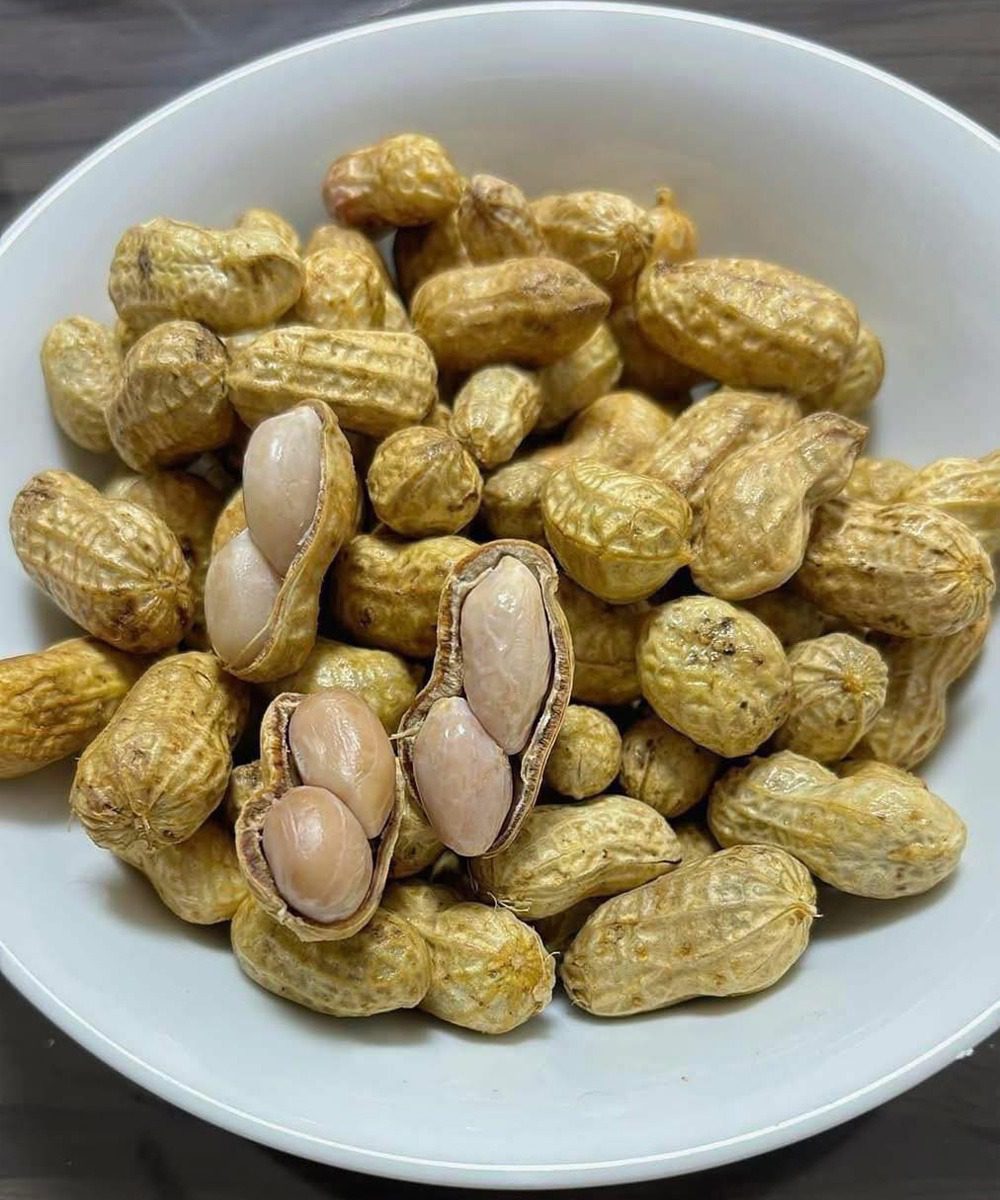
Peanuts have a very low glycemic index, meaning they produce minimal impact on blood sugar levels when eaten. Unlike high-carbohydrate snacks that cause rapid spikes in blood glucose followed by crashes that drive hunger and cravings, peanuts release their energy slowly and steadily. Their unsaturated fatty acids also increase insulin sensitivity — the body's ability to use insulin effectively to manage blood sugar — while bioactive compounds including flavonoids appear to reduce glucose production in the liver. These properties make peanuts a particularly beneficial snack choice for people managing type 2 diabetes or trying to prevent it, and they appear on recommended food lists from organizations including the American Diabetes Association.
Pairing peanuts with other foods that would otherwise cause blood sugar spikes — a handful alongside a piece of fruit, or a spoonful of peanut butter on whole grain bread — has been shown to blunt those spikes significantly. This makes peanuts a practical tool for creating more balanced, stable blood sugar patterns throughout the day, which benefits energy levels, mood, focus, and long-term metabolic health.
4. Inflammation Throughout Your Body Decreases
Chronic low-grade inflammation is increasingly recognized as a driving force behind a wide range of serious health conditions — cardiovascular disease, type 2 diabetes, certain cancers, Alzheimer's disease, and accelerated aging among them. Peanuts contain multiple antioxidant compounds that directly counteract this inflammatory process. Resveratrol, the polyphenol that has attracted enormous research interest for its health-promoting properties, is present in meaningful amounts in peanuts and has demonstrated anti-inflammatory and antioxidant effects across numerous studies. P-coumaric acid, another antioxidant in peanuts, helps neutralize free radicals — unstable molecules that damage cells and drive inflammatory cascades — before they can cause the cellular damage that underlies chronic disease.
