
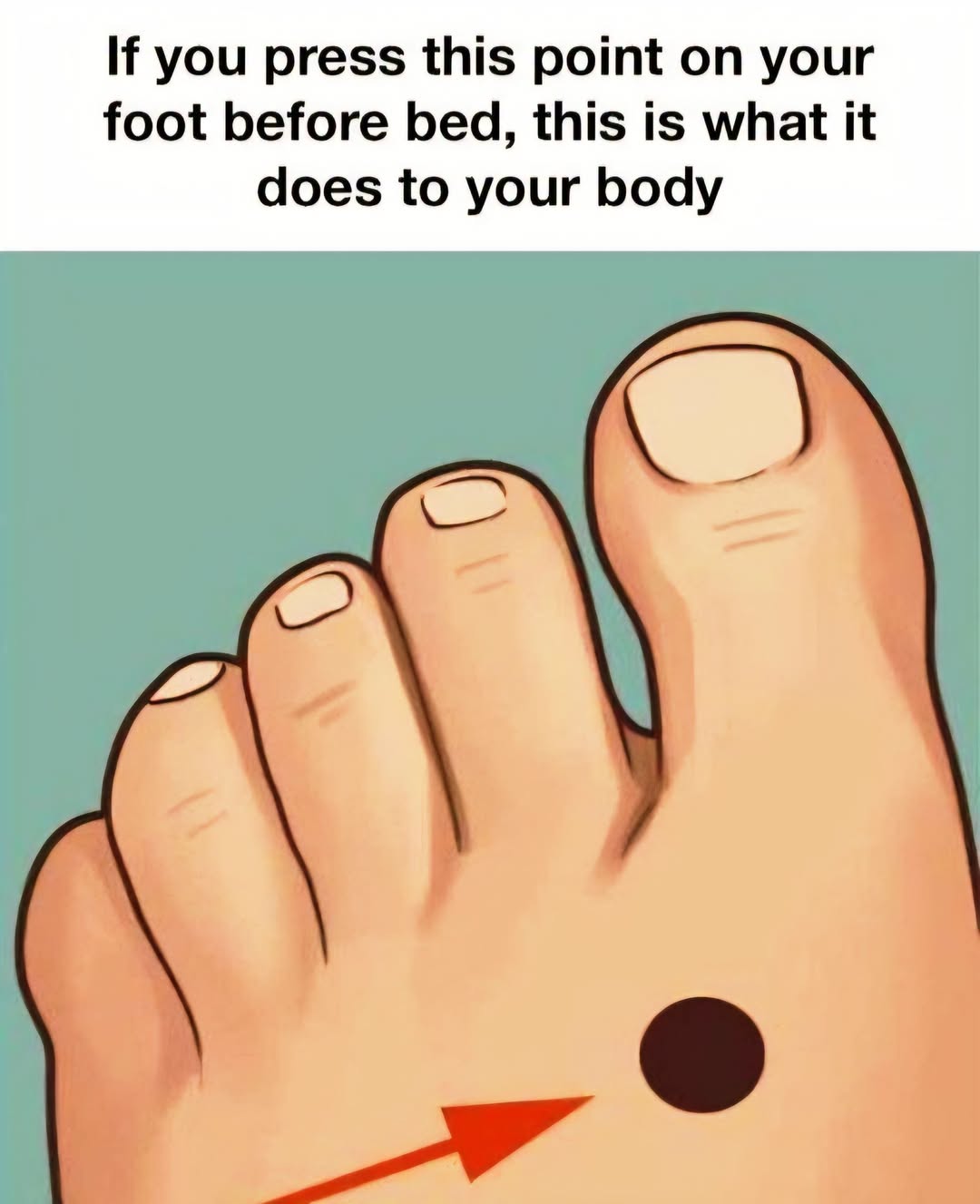
Known in traditional Chinese medicine as Kidney 1 or the Bubbling Spring point, Yongquan is located in the deepest part of the sole when the toes are curled — roughly in the upper third of the sole, just below the ball of the foot. It is considered one of the most powerful points in the entire body for addressing fatigue, restoring vitality, and grounding excess mental energy. Hold the top of your foot with one hand to stabilize it, then use your thumb to apply firm circular pressure to this point for 30 seconds per foot. This point is particularly effective as part of an evening wind-down routine and has been associated in multiple studies with improved sleep quality when massaged consistently before bed.
How to Give an Effective Foot Massage for Pain Relief
Begin by warming the foot with a few minutes of general massage — both hands stroking firmly from the heel to the toes and back, loosening the plantar fascia and increasing circulation before more targeted work begins. A small amount of massage oil or lotion reduces friction and makes sustained pressure more comfortable for both giver and receiver; coconut oil, sweet almond oil, or any basic unscented lotion works well. Use your thumbs as the primary tool for applying pressure to specific points, with your fingers wrapped around the top of the foot for support and stability. Pressure should be firm but not painful — a sensation of deep pressure that is distinctly noticeable but not sharp. The difference between effective reflexology pressure and counterproductive pressure is the presence or absence of pain; the target sensation is sustained firmness that produces a feeling of release.
For each pressure point, apply sustained pressure for 30 to 60 seconds rather than brief repeated pressing. Sustained pressure allows the nervous system time to respond to the stimulus and produce the relaxation or pain-relief effect; brief presses do not give the reflex pathway sufficient time to activate. After working specific pressure points, return to the general warming strokes to close the session and allow the foot to integrate the targeted work. A complete foot massage session — covering both feet with general strokes, targeted pressure points, and closing strokes — typically takes 10 to 20 minutes, which is sufficient to produce measurable relaxation and pain relief effects that persist for hours afterward.
Benefits Supported by Research
Multiple clinical studies have found that foot massage and reflexology produce consistent reductions in anxiety and cortisol levels, improved sleep quality, reduced pain intensity in people with chronic pain conditions including arthritis, fibromyalgia, and post-surgical pain, lower blood pressure and heart rate, and improved quality of life measures in people managing chronic health conditions. A 2022 research review found that reflexology may specifically help reduce several types of pain, and multiple studies have found benefits in patients managing cancer-related fatigue and anxiety during treatment. The practice is generally considered safe for most healthy adults and can be practiced daily without risk of harm. People with diabetes, severe circulatory problems, blood clots, open wounds on the feet, epilepsy, or certain thyroid conditions should consult a healthcare provider before beginning regular foot massage practice, and pregnant women should inform any practitioner of their pregnancy, as certain points are believed to stimulate uterine contractions.
Regular foot massage — even practiced briefly each evening before sleep — represents one of the most accessible and evidence-backed forms of self-care available. It requires no equipment beyond your own hands and a few minutes, and it delivers benefits that extend well beyond the feet themselves into the body's overall stress response, sleep quality, and pain management. The feet carry us through everything — they deserve this much in return.
