
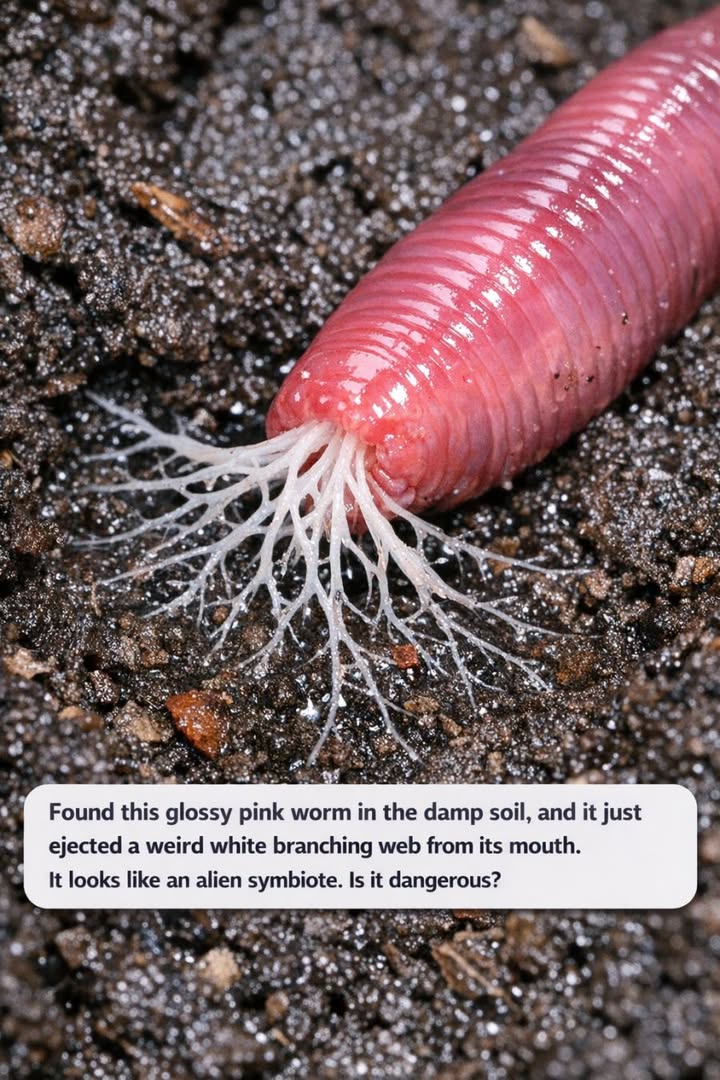
Quite rare. Gorgonorhynchus ribbon worms with the branching proboscis are poorly studied and genuinely scarce. Researchers note that even in Bermuda — one of the few places where these animals have been documented and where the marine environment has been extensively researched — they have only been found a handful of times. Terrestrial and freshwater ribbon worm species are more broadly distributed, but the branched-proboscis varieties in particular are among the least frequently encountered animals a gardener or outdoor enthusiast is likely to come across. Finding one in your garden soil is the kind of event worth documenting: a photograph, a short video if possible, and a note of the location and soil conditions would be genuinely useful to researchers studying these animals.
What to Do If You Find One
The most helpful thing you can do is leave it alone and let it return to the soil. Ribbon worms are fragile and easily damaged — handling them stresses them significantly, and the proboscis-firing behavior you observed is a sign the animal is already at its physiological limit. If you want to identify the specific species more precisely, photograph it without touching it, note whether the proboscis is branched or single, observe the coloration and approximate length, and record whether it was found in damp soil, leaf litter, under a rock or log, or in another specific microhabitat. You can submit photos to iNaturalist, where researchers and naturalists can help with identification — a ribbon worm with a branched proboscis photographed in a garden setting would almost certainly attract significant attention from the scientific community.
If you feel compelled to move it — say, because you need to continue working in that area of the garden — use a small stick or leaf to gently encourage it to move rather than picking it up directly. Ribbon worms can break apart when handled, which is both harmful to the animal and alarming to the person holding the fragment. The damp, shaded soil under leaf litter or near a compost area is the ideal destination if you are relocating it.
The Bigger Picture
The animal kingdom contains a vast number of creatures that most people never encounter and that mainstream natural history coverage barely touches. Ribbon worms are one of the better examples of this gap — a globally distributed phylum of approximately 1,400 described species, some of which include Lineus longissimus, measured at over 30 meters in length and potentially the longest animal ever recorded, yet almost completely unknown to the general public. The branching proboscis of Gorgonorhynchus is the kind of structure that, once seen, makes it difficult to accept the idea that biology has no more surprises left. What you found in your garden soil was genuinely remarkable. It was also completely harmless. Both things can be true at once.
