
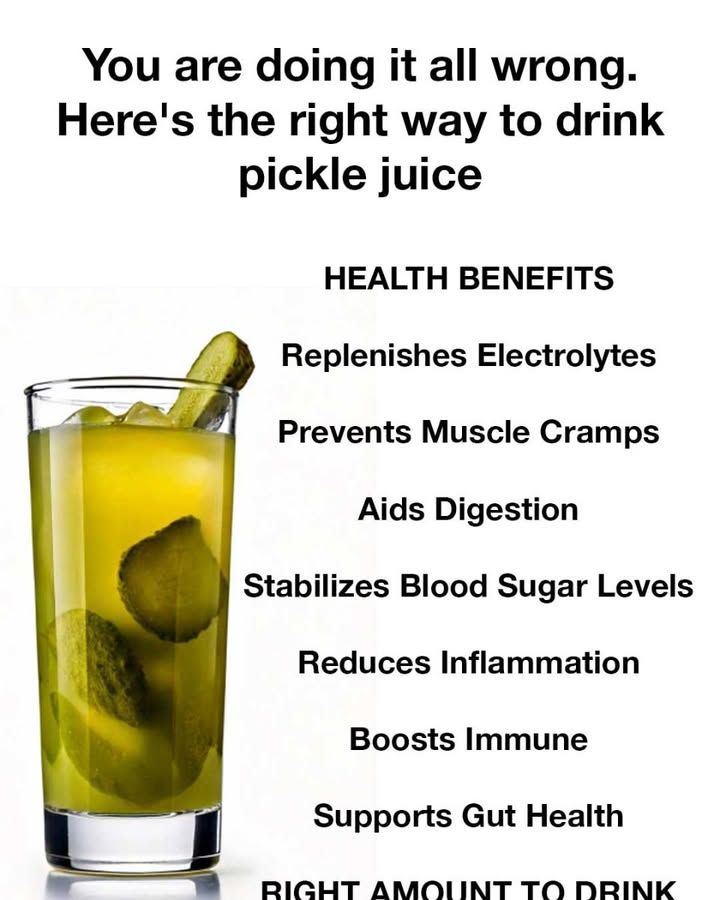
This is the most well-documented benefit of pickle juice, and the research is genuinely interesting. A 2010 study found that dehydrated men experienced faster relief from muscle cramps after drinking pickle juice compared to drinking the same amount of water or nothing at all — and it took only about one-third of a cup to produce the effect. What was particularly striking is that the relief happened faster than the juice could have been absorbed into the bloodstream, suggesting that the mechanism is not simply electrolyte replenishment. Researchers now believe that the vinegar in pickle juice triggers a neurological reflex in the mouth and throat that sends signals to the nervous system to stop the cramping. This means that even small amounts, consumed quickly, can be effective — and that the vinegar content is likely as important as the electrolyte content for this specific benefit.
Electrolyte Replacement After Exercise
Pickle juice contains sodium, potassium, and magnesium — the primary electrolytes lost through sweat — in amounts that compare favorably to commercial sports drinks, and without the added sugar or artificial dyes. For people who sweat heavily during intense workouts or exercise in hot weather, a small amount of pickle juice after activity can help restore electrolyte balance and support rehydration. The important qualifier here is that it is best used after genuinely intense, sweat-heavy exercise rather than as an everyday hydration drink. Most people already consume more than enough sodium in their daily diet, and pickle juice is high enough in sodium that regular consumption without corresponding sweat loss can push intake well above recommended levels.
Blood Sugar Management
Multiple studies have found that vinegar — which is the primary active ingredient in most commercial pickle juice — can improve insulin sensitivity and reduce blood sugar spikes after meals. Research has specifically found that consuming a small amount of vinegar before or during a meal containing carbohydrates can moderate the glycemic response, which is particularly relevant for people managing type 2 diabetes or insulin resistance. Frozen pickle juice consumed at mealtimes has been studied in this context as well, with encouraging results. For this benefit, the timing matters: consuming pickle juice before or with a carbohydrate-containing meal is more effective than drinking it at other times of day.
Gut Health Support
Naturally fermented pickle juice — from refrigerated, vinegar-free pickles — contains live Lactobacillus bacteria that function as probiotics in the digestive system. These bacteria help maintain the balance of beneficial microorganisms in the gut, which influences digestion, immune function, metabolic health, and even mood. This benefit is specific to fermented pickle juice and is not present in the vinegar-based jarred pickles that dominate grocery store shelves. If this is what you are looking for, look for pickles in the refrigerated section whose ingredients list contains only cucumbers, water, salt, and spices — no vinegar.
