
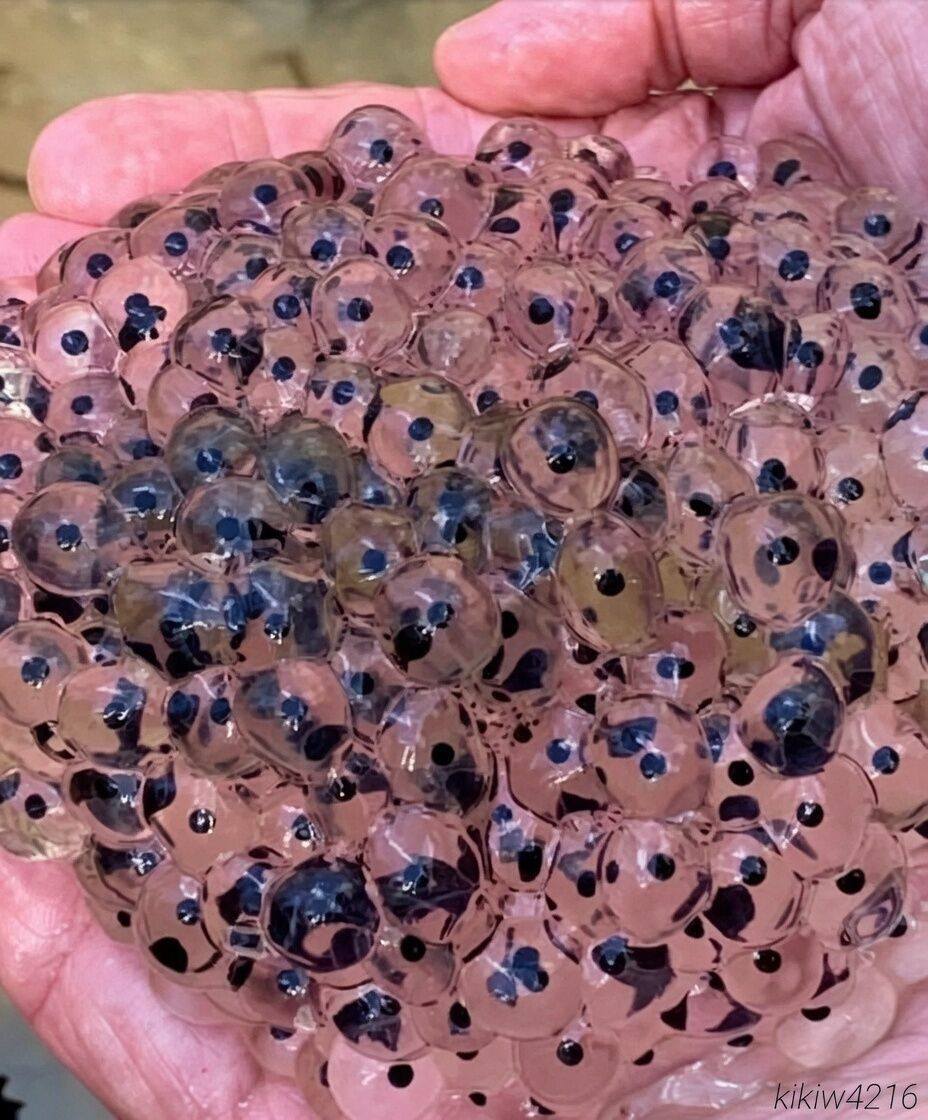
Amphibian egg masses are more than just biological curiosities—they play a vital role in ecosystem health. Frogs and their larvae are integral components of food webs, serving as both predators and prey.
Tadpoles help control algae growth, contributing to water quality, while adult frogs consume large numbers of insects, including pests such as mosquitoes.
At the same time, amphibians are highly sensitive to environmental changes. Their permeable skin and aquatic life stages make them particularly vulnerable to pollution, habitat destruction, and climate shifts.
As a result, the presence—or absence—of egg masses like these can serve as an indicator of ecosystem health. A thriving population suggests clean water and balanced conditions, while declines may signal underlying problems.
Cultural Fascination and Viral Appeal
In the age of social media, images of “eyeball eggs” have captured global attention. Their unusual appearance sparks curiosity and often leads to a mix of fascination and discomfort.
Online communities frequently share such images with captions ranging from scientific explanations to playful interpretations. Terms like “forbidden jelly” or “nature’s candy” reflect the blend of humor and wonder these egg masses inspire.
This widespread interest has an unexpected benefit—it draws attention to the natural world. People who might otherwise overlook a pond or wetland become intrigued, prompting them to learn more about amphibians and their habitats.
Conservation Challenges
Despite their resilience, amphibians face significant threats worldwide. Habitat loss, pollution, invasive species, and diseases such as chytridiomycosis have led to declines in many populations.
Protecting breeding habitats is essential for ensuring the survival of species that rely on these egg masses. Conservation efforts often focus on preserving wetlands, reducing chemical runoff, and monitoring populations.
Citizen science initiatives also play a role, encouraging people to report sightings of egg masses and participate in conservation activities.
Final Reflections
The surreal beauty of these “eyeball eggs” offers a glimpse into the complexity and creativity of nature. What may initially seem strange or unsettling becomes, upon closer inspection, a testament to evolutionary ingenuity.
Each tiny sphere represents a life in progress, a delicate balance of protection, adaptation, and transformation. Together, they form a living cluster that embodies both vulnerability and resilience.
By taking the time to understand and appreciate these natural wonders, we deepen our connection to the ecosystems around us. And in doing so, we are reminded that even the most unusual sights in nature often carry profound significance.
The next time you encounter a cluster of gelatinous eggs in a pond, pause for a moment. Look closer. What appears to be a collection of staring eyes is, in reality, a collection of beginnings—each one holding the promise of life continuing its ancient, intricate cycle.
