
5. Address Allergies and Post-Nasal Drip
If excess mucus is your problem, treating the underlying allergy (with antihistamines, nasal sprays, or allergy shots) can reduce the raw material for stones.
6. Quit Smoking
Smoking irritates tonsils, increases debris, and dries out mucous membranes. All of this promotes stone formation.
7. Regular Tonsil Checks
Use a flashlight and mirror occasionally to check for developing stones. Catching them early makes removal easier and prevents larger formations.
When Medical Treatment Is Needed
Sometimes home care isn’t enough. Consider seeing an ear, nose, and throat (ENT) specialist if:
Stones are large, numerous, or deeply embedded
You have frequent infections or tonsillitis
Stones cause significant pain or difficulty swallowing
You’ve tried prevention for months with no improvement
You simply can’t tolerate them anymore
Medical options include:
In-office removal: An ENT can remove stubborn stones quickly and safely, often in minutes.
Laser cryptolysis: A laser smooths out deep tonsil crypts, reducing hiding places for debris. It’s minimally invasive and preserves the tonsils.
Coblation cryptolysis: Similar to laser, but uses radiofrequency energy. Also preserves tonsil tissue.
Tonsillectomy: Complete surgical removal of the tonsils. This is the only guaranteed way to stop tonsil stones permanently, but it’s major surgery with significant recovery time. It’s typically reserved for severe, recurrent cases that don’t respond to other treatments.
Common Questions About Tonsil Stones
Are tonsil stones dangerous?
No. They’re annoying, unpleasant, and can cause bad breath, but they’re not dangerous. Complications (like infection) are rare.
Can children get tonsil stones?
Yes, though they’re less common in young children. Teens and young adults are most affected, likely because tonsils are largest during these years.
Do tonsil stones mean my tonsils are infected?
Not necessarily. Stones can form in perfectly healthy tonsils. However, chronic stones can sometimes contribute to recurrent tonsillitis.
Can I have tonsil stones without tonsils?
No. Tonsillectomy removes the crypts where stones form. This is the only permanent solution.
Why do they smell so bad?
Bacteria break down proteins in the debris, producing volatile sulfur compounds—the same chemicals responsible for most bad breath. A single stone can smell worse than days of poor oral hygiene.
Can I swallow them?
You can, and many people do without realizing it. It’s harmless, though you might not love the thought.
The Bottom Line
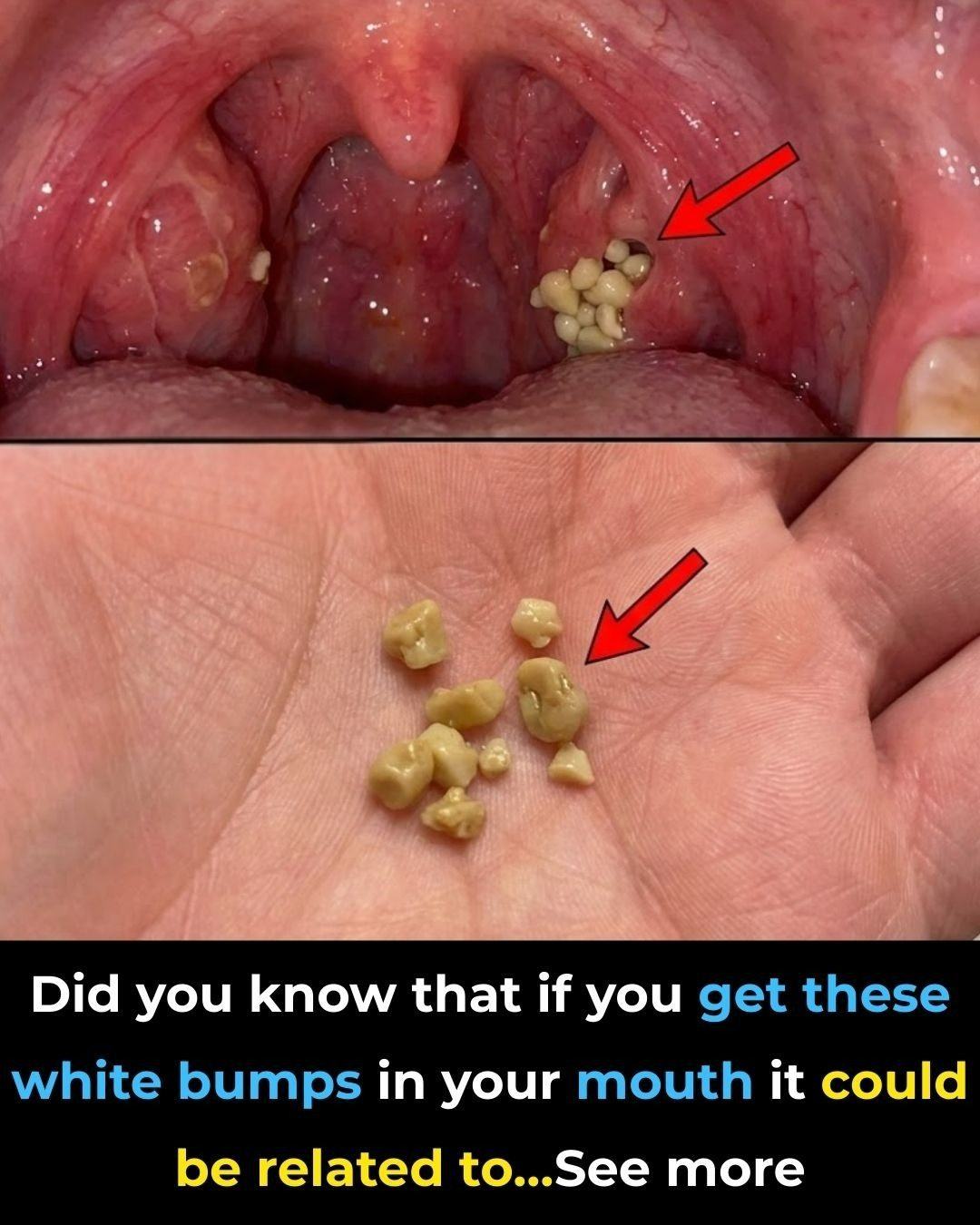
Tonsil stones are common, harmless, and treatable. They’re not a sign that you’re “dirty” or unhealthy. They’re simply a quirk of anatomy—your tonsil crypts are just doing their job a little too enthusiastically.
If they bother you, consistent prevention makes a dramatic difference. And if they’re truly affecting your quality of life, medical options exist.
You don’t have to live with chronic bad breath or throat discomfort. A few simple habits can keep those little intruders at bay.
