
The Loop as Social Signal — Romance and Relationship Status
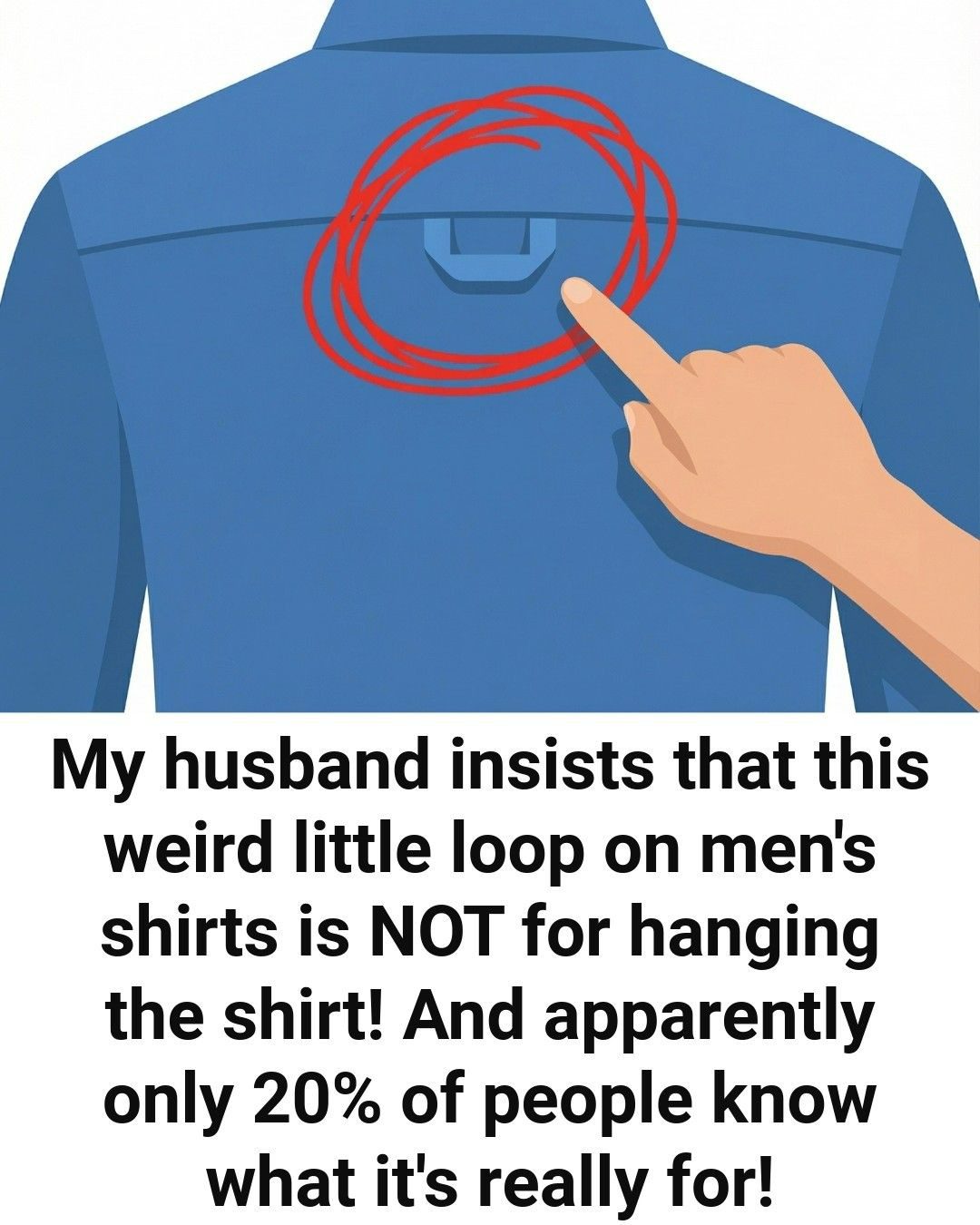
What happened next is perhaps the most entertaining chapter in the locker loop's history, and the one that gave it a significance far beyond anything a shirt designer could have anticipated. As the detail became ubiquitous among Ivy League students throughout the late 1950s and into the 1960s, it was repurposed — spontaneously and somewhat chaotically — as a way of communicating romantic status on campus.
The convention that emerged, by the account of GANT's own records, went like this: if a young man's locker loop was present and intact on his shirt, he was considered available. If his loop was missing, it indicated that he was taken — either he had removed it himself to signal his unavailability, or a girlfriend had removed it as a claim of sorts. Young women who had romantic interest in a particular young man would sometimes pull the loop off his shirt as a bold gesture of affection. This practice had an unintended consequence: the loops were often sewn on with considerable durability, and an enthusiastic attempt to remove one could tear a substantial portion of the fabric from the back of the shirt, rendering it unwearable. Reports from the era note that women who particularly liked shirts by the Moss brand were frustrated to find their loops so securely attached that they could not be torn off without considerable effort. One mail-order company, apparently recognizing a niche market, offered to send replacement loops to anyone who wanted to signal their availability after having their original removed.
The complementary signal on the women's side of this social shorthand involved wearing a boyfriend's scarf — a way of advertising a committed relationship without requiring anything as drastic as ripping fabric from a garment. Together, these conventions represented a charmingly analog version of relationship status communication in an era before anyone could simply post it on the internet. The loop-related customs faded as the decade progressed and the specifics of Ivy League campus culture changed, but the physical loop itself persisted.
