
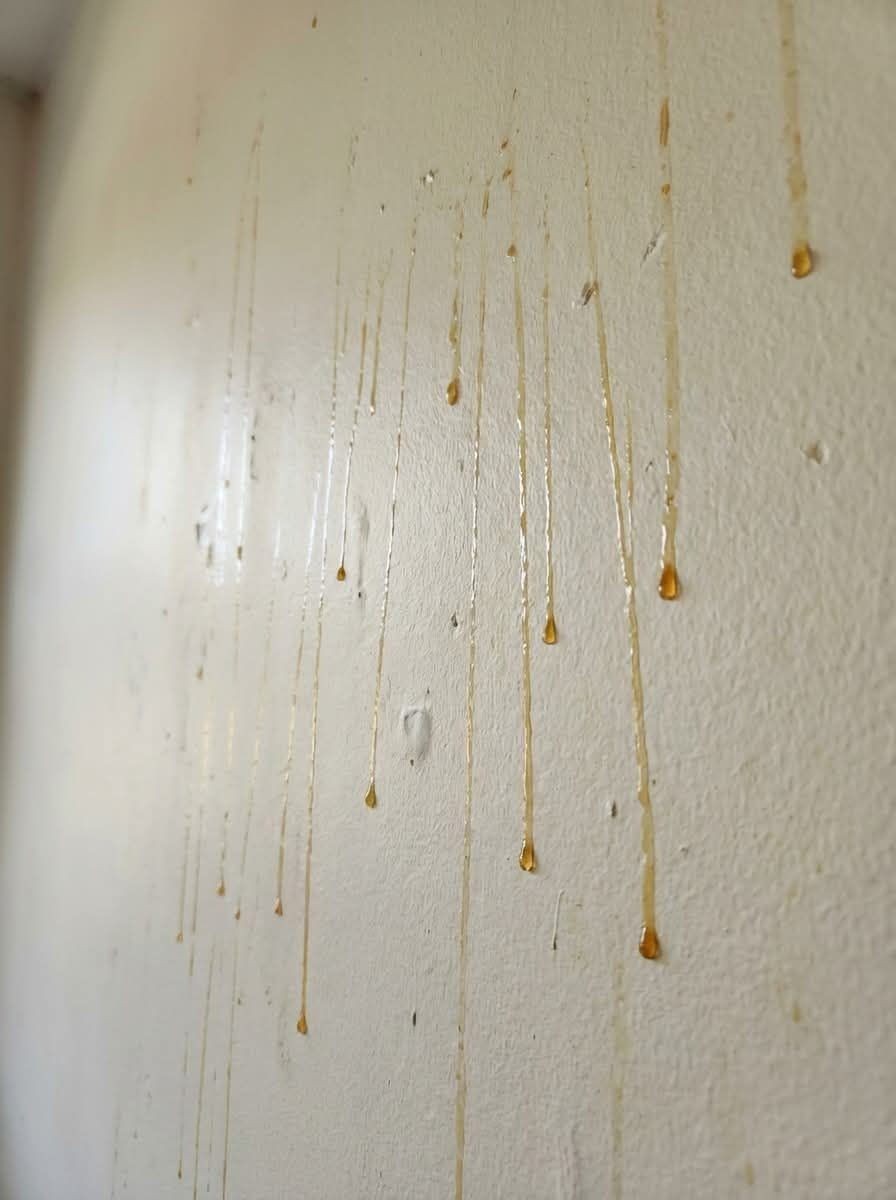
How to Clean Yellow Drips From Bathroom Walls
For Surfactant Leaching and General Residue
The simplest and most effective first approach for surfactant leaching is to wipe the affected areas with warm water and a small amount of dish soap on a soft sponge or microfiber cloth. Dish soap is specifically designed to cut through the type of oily or waxy residue that surfactants produce and will remove most fresh surfactant streaks without damaging the paint underneath. Rinse with clean water and dry the wall thoroughly afterward. For more stubborn streaks, mix equal parts white vinegar and water in a spray bottle, spray the affected area generously, allow it to sit for 10 minutes, and then scrub gently with a non-abrasive sponge. The acidity of the vinegar helps dissolve mineral deposits and clean surfactant residue effectively.
For Mineral Deposits and Scale
The vinegar-and-water solution described above is also effective for mineral deposits, as vinegar dissolves calcium and magnesium scale. For heavier mineral buildup, apply undiluted white vinegar directly to the affected area and allow it to sit for 15 to 30 minutes before scrubbing. Commercial descaling products designed for bathroom surfaces also work well and are available at most hardware and grocery stores. After removing the deposits, rinse the wall thoroughly and dry it to prevent immediate re-deposition.
