
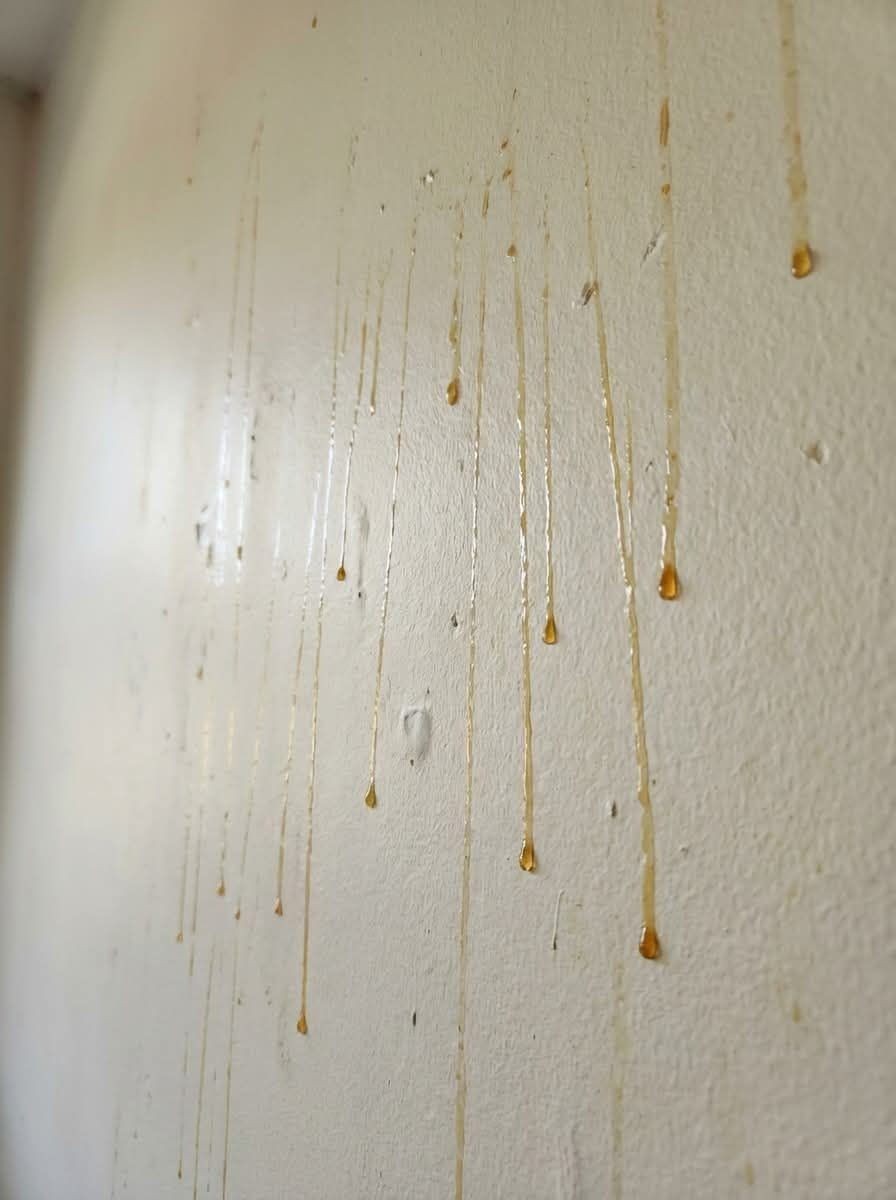
Mix one part bleach with ten parts water in a spray bottle, or use a commercial mold remover product. Spray the solution directly on the affected area and allow it to sit for 15 minutes before scrubbing with a brush or sponge. Wear rubber gloves and ensure the bathroom is well ventilated while working with bleach — open the window and run the exhaust fan. After cleaning, rinse thoroughly and allow the surface to dry completely. Never mix bleach with vinegar or any other cleaning products, as this can produce harmful gases. If mold covers a large area or has penetrated deep into wall materials, consult a professional remediation service.
How to Prevent Yellow Drips From Coming Back
The most effective single step for preventing yellow drips of any cause is improving bathroom ventilation. Run your exhaust fan during every shower and for at least 20 minutes after you finish — this removes steam and moisture-laden air from the bathroom before it can condense on walls and cause any of the problems described above. If your bathroom does not have an exhaust fan, consider having one installed. If installing a fan is not possible, open a window during and after showering. A dehumidifier placed in the bathroom can also significantly reduce ambient humidity levels.
Taking shorter or slightly cooler showers reduces the volume of steam produced, which in turn reduces condensation on walls. After showering, wipe down the walls with a squeegee or dry cloth to remove condensation before it can run down and deposit residue. This simple habit, done consistently, prevents the buildup that causes yellow streaks over time.
If surfactant leaching from fresh paint is the issue, the good news is that it typically stops on its own once the paint has fully cured, which takes several weeks to a few months depending on the paint type and conditions. In the meantime, wipe the streaks away as they appear and ensure the bathroom is well ventilated. When repainting, allow maximum drying time before using the shower and apply paint in warm, dry conditions rather than cool and humid ones. Choosing a high-quality bathroom-specific paint with mold-resistant and moisture-resistant properties will also reduce the likelihood of recurrence.
For hard water mineral deposits, a water softener connected to your home's water supply is the most comprehensive long-term solution, as it reduces the mineral content of the water before it enters the shower. If a water softener is not practical, regular weekly cleaning of bathroom walls with the vinegar solution described above will prevent mineral deposits from accumulating to the point where they become visibly problematic. For mold prevention, ensure there are no plumbing leaks contributing moisture to the walls, check that caulking around the shower and tub is intact and replacing any that has cracked or separated, and consider repainting with a mold-resistant paint formulated specifically for bathroom use.
