
If menstrual changes persist, are accompanied by severe pain, extremely heavy bleeding, dizziness, or other concerning symptoms, consult a healthcare professional.
Stress reduction, regular sleep, balanced nutrition, and moderate physical activity may help support normal hormonal rhythms, but persistent irregular cycles deserve proper evaluation.
6. Sleep Problems
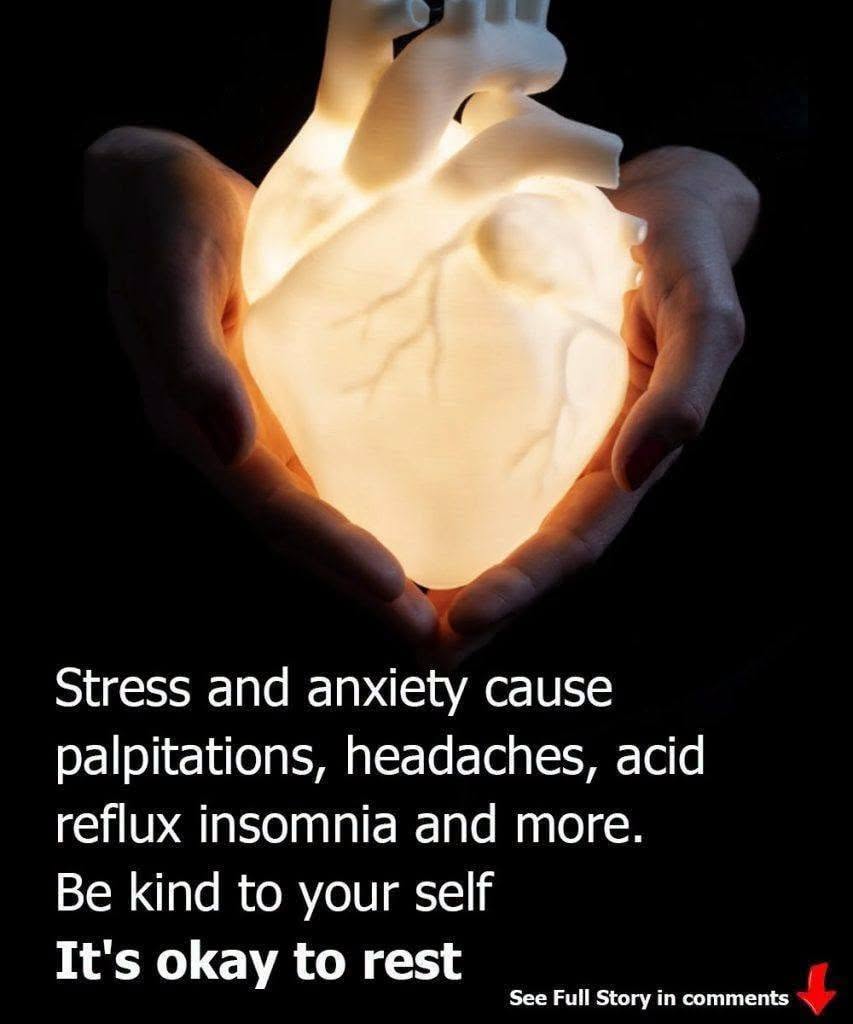
Stress and anxiety frequently interfere with healthy sleep.
Racing thoughts, excessive worrying, muscle tension, and increased alertness can make it difficult to fall asleep. Others may fall asleep easily but wake repeatedly during the night.
Poor sleep can then make stress harder to manage the following day, creating a frustrating cycle.
Common stress-related sleep problems include:
- Difficulty falling asleep
- Frequent nighttime waking
- Waking too early
- Restless sleep
- Feeling tired despite spending enough time in bed
- Difficulty relaxing at bedtime
Ways to Improve Sleep
Try to maintain a consistent bedtime and wake-up time, even on weekends.
Reduce bright screens and stimulating content before bed, avoid excessive caffeine late in the day, and create a quiet, dark, comfortable sleeping environment.
Relaxation techniques such as slow breathing, meditation, gentle stretching, or reading may also help signal to the body that it is time to rest.
7. Weight Changes
Long-term stress can influence appetite and body weight in different ways.
Some people lose their appetite during stressful periods and unintentionally lose weight. Others experience stronger cravings, particularly for highly palatable foods rich in sugar, refined carbohydrates, or fat.
Stress can also influence eating habits through emotional eating, disrupted sleep, reduced physical activity, and changes in daily routines.
Cortisol, one of the major hormones involved in the stress response, is associated with appetite regulation and energy metabolism. Persistent stress may therefore influence body weight indirectly through several pathways.
How to Manage Stress-Related Eating
Try to maintain regular balanced meals rather than skipping food and then overeating later.
Include protein, vegetables, whole grains, fruits, and healthy fats to help support steady energy levels.
Mindful eating may help you notice whether you are physically hungry or eating mainly in response to boredom, sadness, anger, or stress.
Other Signs Stress May Be Affecting You
Stress does not look the same in everyone. Other possible signs may include irritability, difficulty concentrating, fatigue, jaw clenching, changes in libido, feeling constantly overwhelmed, reduced motivation, social withdrawal, and increased use of alcohol, nicotine, or other substances to cope.
Some people primarily experience emotional symptoms, while others notice mostly physical symptoms.
