
Can Stress Really Cause Physical Symptoms?
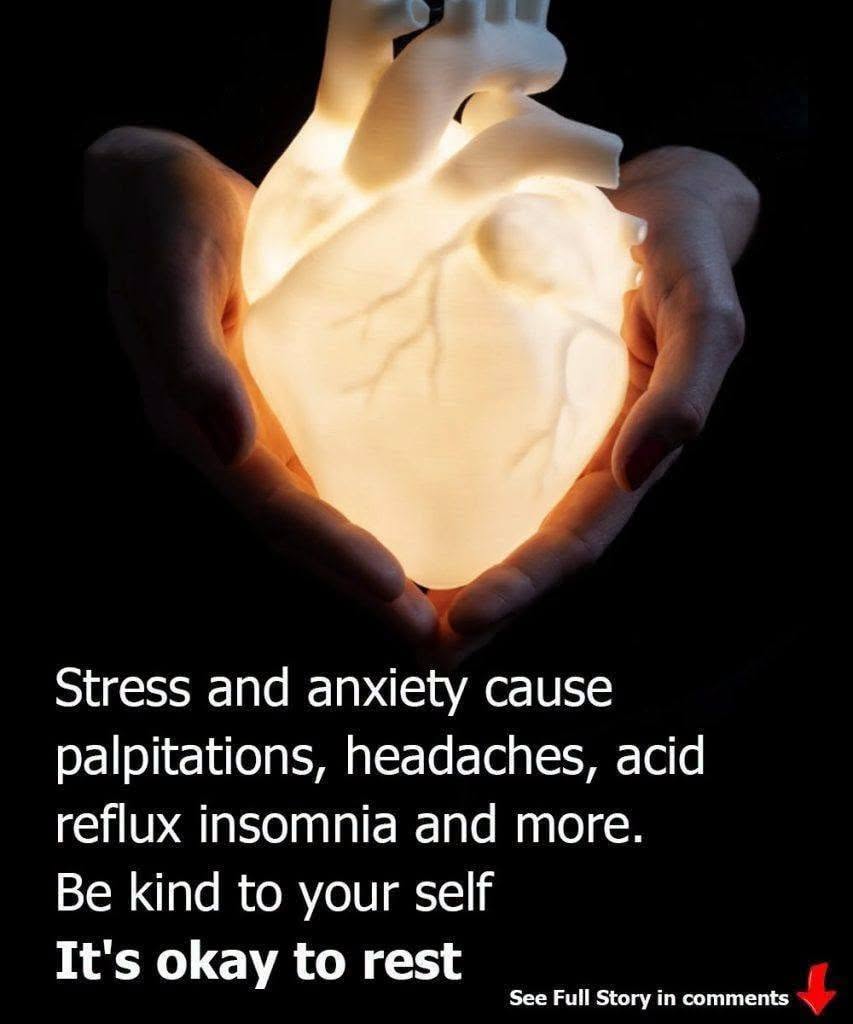
Yes. Stress triggers hormonal and nervous-system responses that can influence heart rate, muscle tension, digestion, sleep, appetite, and other physical processes.
Can Anxiety Cause Heart Palpitations?
Yes, anxiety can cause a racing or pounding heartbeat. However, persistent or unexplained palpitations should be medically evaluated to rule out heart rhythm problems and other causes.
Can Stress Cause Stomach Problems?
Stress can affect intestinal movement, stomach acid, appetite, and gut sensitivity, which may contribute to symptoms such as nausea, bloating, diarrhea, constipation, and abdominal discomfort.
Can Stress Delay a Period?
Yes, significant stress can temporarily affect hormonal signals involved in menstruation and ovulation. Persistent menstrual irregularity should still be evaluated because many other conditions can cause cycle changes.
Can Stress Make You Gain Weight?
It can contribute indirectly through increased appetite, emotional eating, poor sleep, reduced activity, and hormonal changes. Some people experience the opposite and lose weight during periods of stress.
Can Stress Cause Headaches?
Yes. Stress is a common trigger for tension headaches and can also trigger migraines in people who are susceptible.
How Can I Tell Whether My Symptoms Are Stress or Something Else?
It is not always possible to tell based on symptoms alone. Stress can mimic many medical problems. New, severe, persistent, or unexplained symptoms should be discussed with a healthcare professional rather than automatically attributed to anxiety.
Final Thoughts
Stress and anxiety are normal parts of life, but they should not become a constant burden.
Muscle tension, headaches, digestive problems, palpitations, menstrual changes, sleep difficulties, and changes in weight can all appear during stressful periods.
Paying attention to these signs can help you recognize when your body needs more rest, healthier routines, emotional support, or professional guidance.
Regular exercise, nutritious meals, adequate sleep, relaxation techniques, social connection, and professional mental health support when needed can make a meaningful difference.
Most importantly, do not assume that every physical symptom is caused by stress. If symptoms are severe, persistent, unusual, or worsening, seek medical evaluation so other possible causes can be ruled out.
Disclaimer
This article is intended for educational purposes only and does not replace professional medical or mental health advice, diagnosis, or treatment. Stress and anxiety can produce physical symptoms, but similar symptoms may also occur with medical conditions that require evaluation. Seek urgent medical care for severe chest pain, fainting, difficulty breathing, sudden neurological symptoms, or other potentially serious symptoms.
