
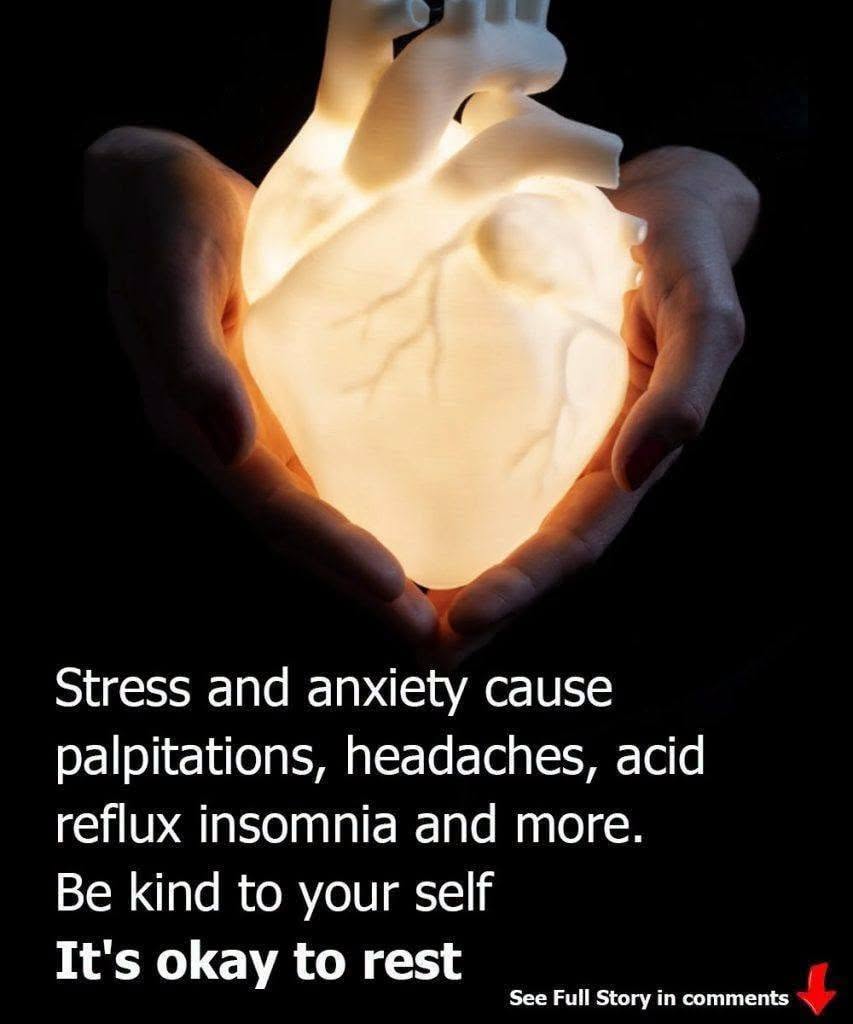
Why Chronic Stress Matters
Short-term stress is a normal survival mechanism and can even improve alertness and performance in certain situations.
The problem occurs when the stress response remains activated for long periods without enough recovery.
Persistent stress may affect sleep, blood pressure, immune function, digestion, mood, and everyday decision-making.
Managing chronic stress is therefore not simply about feeling calmer. It is an important part of protecting overall health.
Simple Ways to Reduce Everyday Stress
Small lifestyle changes can make a meaningful difference when practiced consistently.
- Exercise regularly
- Spend time outdoors
- Maintain regular sleep habits
- Eat balanced meals
- Reduce excessive caffeine
- Limit alcohol
- Take regular breaks from screens and work
- Practice deep breathing or meditation
- Talk with trusted friends or family members
- Make time for enjoyable hobbies
You do not need to eliminate every source of stress. The goal is to improve the way your body and mind recover from stressful situations.
A Simple Breathing Exercise
If you feel tense or overwhelmed, try breathing slowly and comfortably.
Inhale gently through your nose for about four seconds, then exhale slowly for about six seconds.
Repeat for several minutes without forcing the breath.
A longer, relaxed exhalation may help shift the body away from a heightened stress response and toward a calmer state.
When Anxiety Becomes More Than Everyday Stress
Occasional anxiety is normal, but anxiety that is persistent, difficult to control, or interferes with work, relationships, sleep, or daily activities may deserve professional support.
Some people experience panic attacks, intense fear, avoidance of normal activities, or constant worry that feels impossible to switch off.
Therapy, behavioral strategies, lifestyle changes, and when appropriate, medication can all be effective options.
When to Seek Professional Help
Consider speaking with a healthcare professional or mental health professional if stress or anxiety:
- Persists for several weeks
- Is getting worse
- Frequently disrupts sleep
- Interferes with work or relationships
- Causes frequent panic attacks
- Leads to significant appetite or weight changes
- Causes persistent physical symptoms
- Makes normal daily activities difficult
Physical symptoms should also be evaluated when they are unusual, severe, or persistent because many medical conditions can resemble anxiety.
