
There is currently no cure for alpha-gal syndrome, and sensitization can last for months or even years. Medical evaluation and testing is required to confirm the diagnosis. The main treatment method is simply to avoid the foods that trigger a reaction, meaning red meat and mammal products. To manage allergic reactions, a doctor will generally prescribe antihistamines and perhaps epinephrine, in more severe cases.
Other Diseases Transmitted by Lone Star Ticks

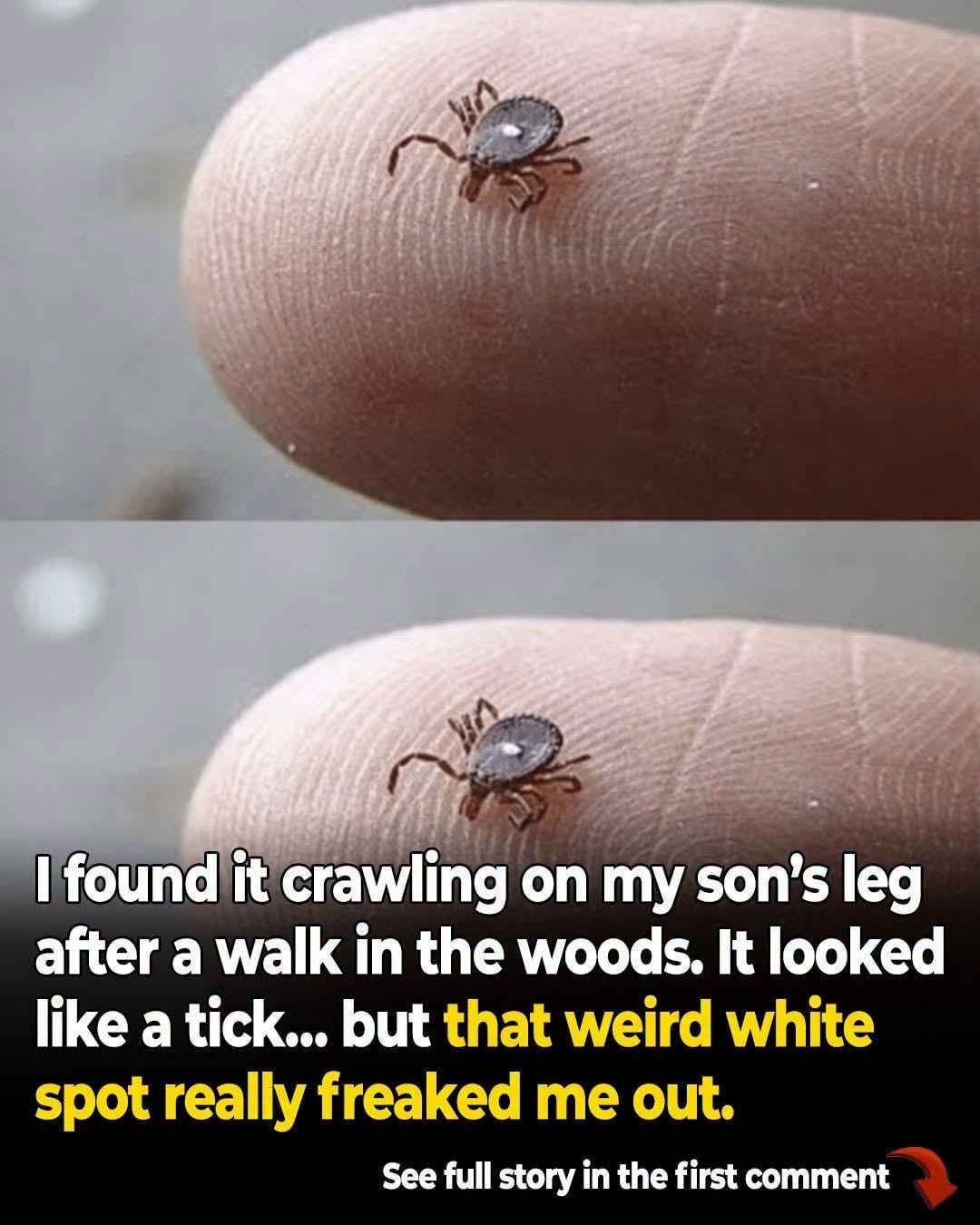
Alpha-Gal Syndrome isn’t the only disease transmitted by Lone Star ticks. These tiny insects are also known vectors for several other diseases. These include:
- Ehrlichiosis: A bacterial infection that causes fever, headache, fatigue, and muscle aches.
- Tularemia: A rare but serious illness with symptoms such as fever, skin ulcers, and swollen lymph glands.
- STARI (Southern Tick-Associated Rash illness): Causes a rash similar to Lyme disease (bulls-eye), along with fever and fatigue.
- Heartland virus disease: An emerging virus causing fever, fatigue, headache, and muscle aches.
Preventing Tick Bites

Prevention is the number-one way to avoid getting tick-borne illnesses and conditions. Preventing tick bites is multi-faceted and comes in various steps. The main ways are protecting yourself, protecting your pets, making your yard inhospitable to ticks, and keeping your home tick-free.
Protect Yourself

There are a variety of ways to protect yourself and your family from tick bites. The best thing to do is to deploy several of these tactics, to ensure your protection. The best way is to wear long sleeves, long pants, and closed shoes when in wooded or grassy areas. Tuck your pants into your socks to create barriers that block ticks from getting to your skin. Stay in the middle of trails and don’t go off the trail. Use Environment Protection Agency (EPA)-registered insect repellents that are effective against ticks. Conduct full-body tick checks after outdoor activities or after passing through an area that is more likely to have ticks. Shower soon after being outdoors to wash off unattached ticks.
Protect Your Pets

Protecting your pets from ticks is just as important as protecting the rest of your family. This is especially because pets can unknowingly transport ticks into your home. Use veterinarian-recommended tick prevention products, such as topical treatments, collars, or oral medications. Check your pets regularly for ticks, especially after spending time outside. This is particularly important for those with outdoor cats or other animals who you can’t control where they do and don’t go. Whenever possible, keep pets away from dense vegetation where ticks thrive.
