
Maintain Your Yard

Don’t let your yard become a tick haven. Keep the grass mowed short and remove all lead litter, brush, and tall grasses around your home. Create tick-safe zones by placing wood chips or gravel between lawns and wooded areas. Consider barriers to prevent deer and wildlife that carry ticks from entering your yard.
Inside the Home

Finally, keeping your home tick-free is just a matter of adopting a couple of regular habits. Beyond tick-checking yourself, your children, and your pets before coming inside, you can also make your home a non-welcoming place for ticks to be. Vacuum regularly and keep clutter to a minimum. Wash and dry clothing worn outdoors on high heat to kill ticks that might be hiding on them. Seal cracks and gaps to prevent rodent entry, as they can also bring ticks into your home with them.
What to Do If You Find a Tick on You

Sometimes you do everything right and you may still find a tick on you. Don’t panic, but instead first check to make sure that the tick hasn’t attached itself yet. If it hasn’t, it’s as simple as brushing it off of you. Be careful when checking, because if it has attached and you try to brush it away, you could wipe away its body but leave its head still inside your skin. If the tick has attached itself, follow these steps:
- Remove the tick promptly: Using fine-tipped tweezers, grasp the tick as close to the skin’s surface as possible. Pull upward with steady, even pressure. Do not twist or jerk. If you live in a highly tick-populated area, consider purchasing a tick remover.
- Clean the area: Wash the area of the tick bite with soap and water or an antiseptic.
- Dispose of the tick: Submerse the tick in alcohol or flush it down the toilet.
- Monitor for symptoms: Watch yourself for rash, fever, or allergic reactions in the following days and weeks.
- Seek medical attention: This is especially if you develop symptoms or are unsure about removal.
The Bottom Line

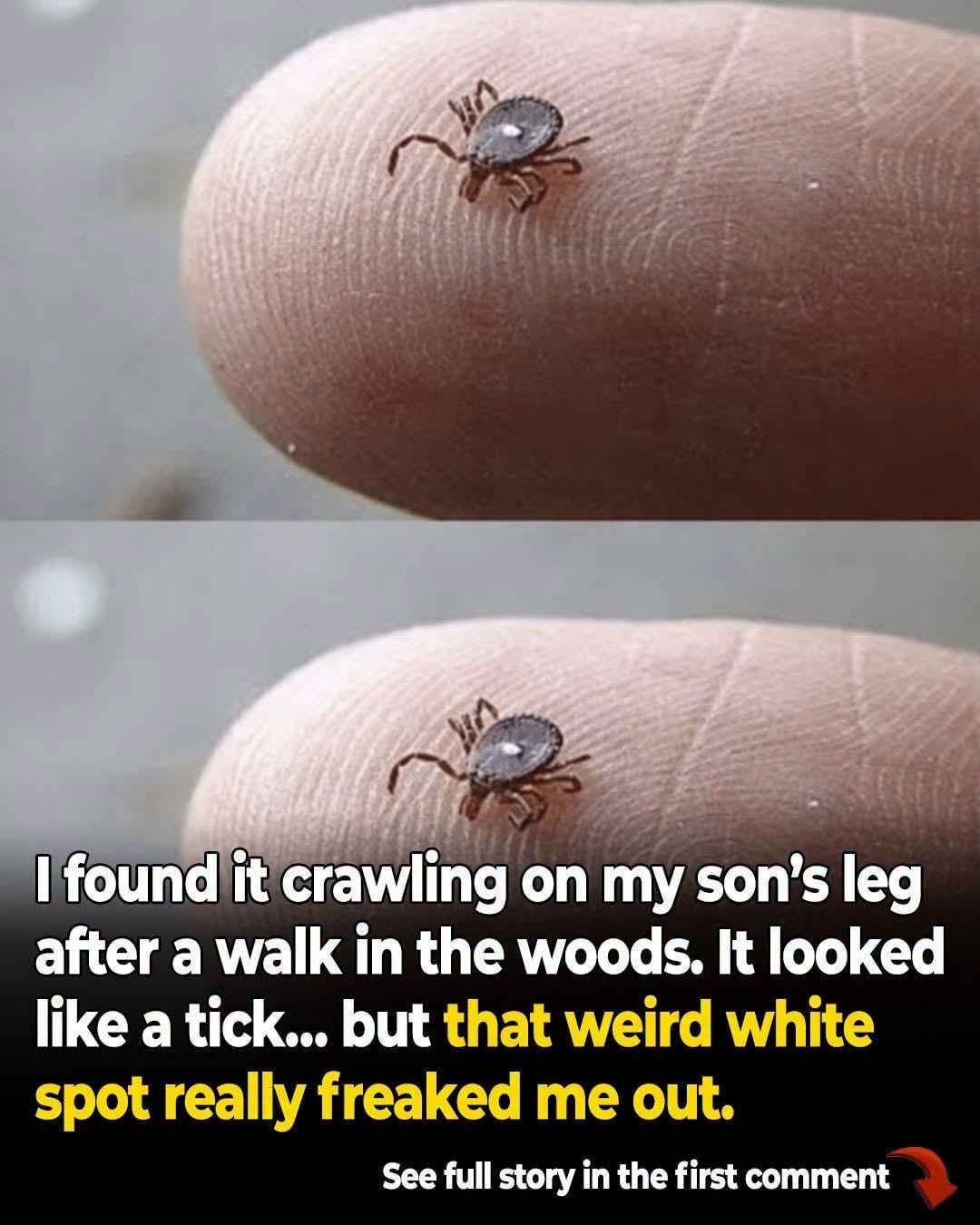
Lone Star ticks, and ticks in general, are a significant concern for public health. For Lone Star ticks, this is especially because of their role in Alpha-Gal Syndrome, along with the transmission of several other diseases. Awareness, preventive measures, and prompt actions after finding ticks can help to protect you and your family from potential complications. If you think you may have Alpha-Gal Syndrome or experience allergic reactions after consuming red meat, consult a healthcare provider for testing and management.
