
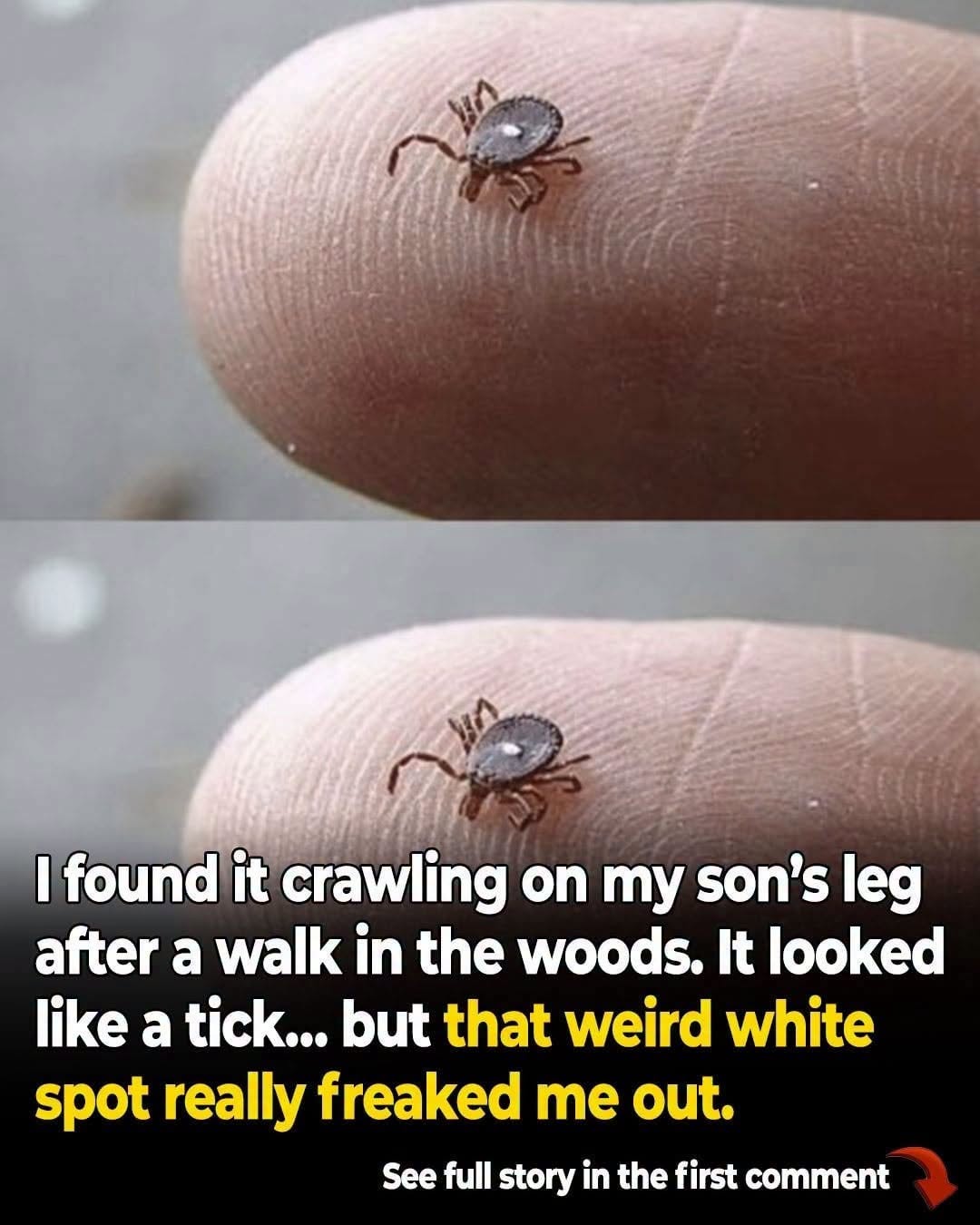
What to Do If You Find a Tick on You

Sometimes you do everything right and you may still find a tick on you. Don’t panic, but instead first check to make sure that the tick hasn’t attached itself yet. If it hasn’t, it’s as simple as brushing it off of you. Be careful when checking, because if it has attached and you try to brush it away, you could wipe away its body but leave its head still inside your skin. If the tick has attached itself, follow these steps:
- Remove the tick promptly: Using fine-tipped tweezers, grasp the tick as close to the skin’s surface as possible. Pull upward with steady, even pressure. Do not twist or jerk. If you live in a highly tick-populated area, consider purchasing a tick remover.
- Clean the area: Wash the area of the tick bite with soap and water or an antiseptic.
- Dispose of the tick: Submerse the tick in alcohol or flush it down the toilet.
- Monitor for symptoms: Watch yourself for rash, fever, or allergic reactions in the following days and weeks.
- Seek medical attention: This is especially if you develop symptoms or are unsure about removal.
The Bottom Line

Lone Star ticks, and ticks in general, are a significant concern for public health. For Lone Star ticks, this is especially because of their role in Alpha-Gal Syndrome, along with the transmission of several other diseases. Awareness, preventive measures, and prompt actions after finding ticks can help to protect you and your family from potential complications. If you think you may have Alpha-Gal Syndrome or experience allergic reactions after consuming red meat, consult a healthcare provider for testing and management.
