
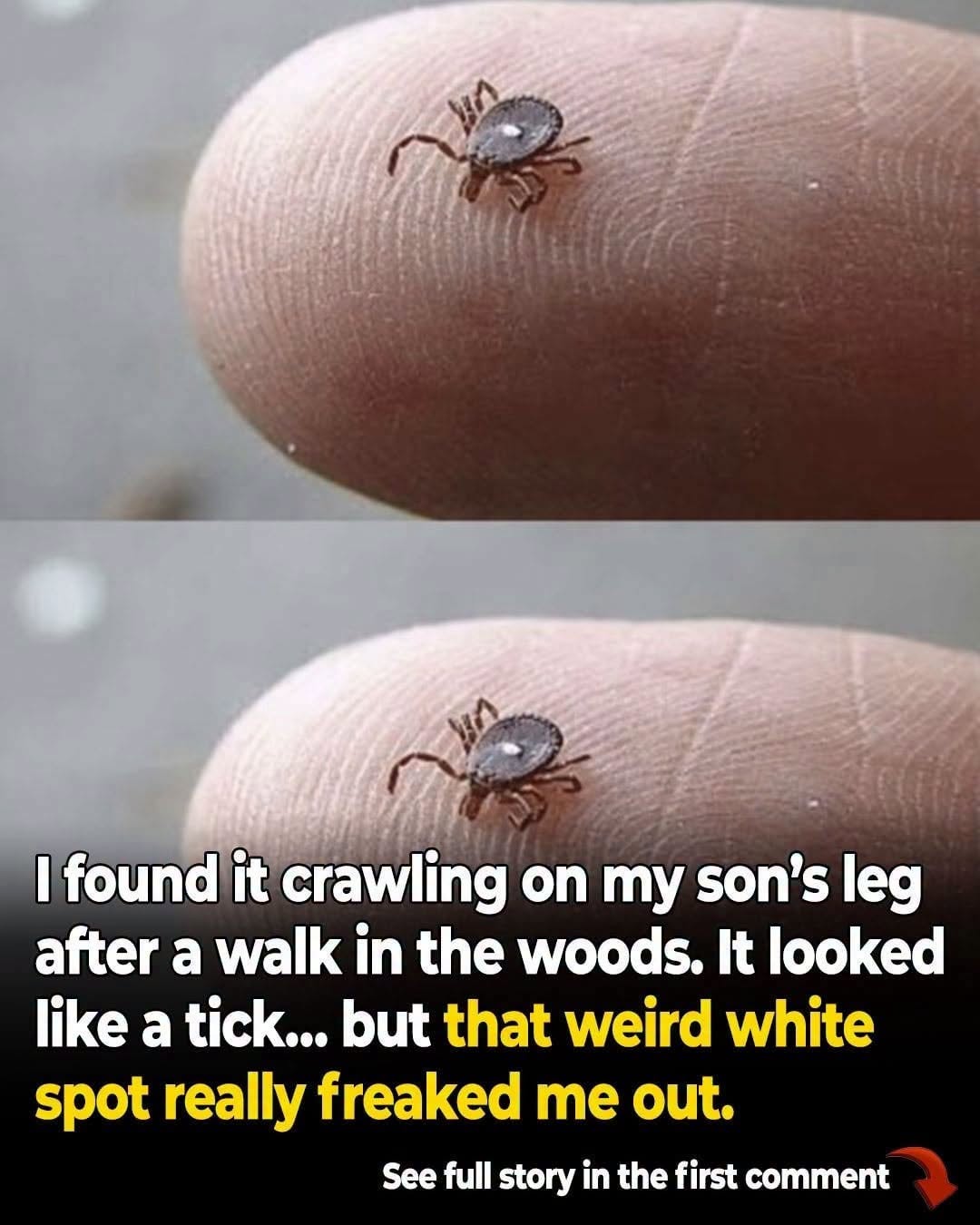

Protecting your pets from ticks is just as important as protecting the rest of your family. This is especially because pets can unknowingly transport ticks into your home. Use veterinarian-recommended tick prevention products, such as topical treatments, collars, or oral medications. Check your pets regularly for ticks, especially after spending time outside. This is particularly important for those with outdoor cats or other animals who you can’t control where they do and don’t go. Whenever possible, keep pets away from dense vegetation where ticks thrive.
Maintain Your Yard

Don’t let your yard become a tick haven. Keep the grass mowed short and remove all lead litter, brush, and tall grasses around your home. Create tick-safe zones by placing wood chips or gravel between lawns and wooded areas. Consider barriers to prevent deer and wildlife that carry ticks from entering your yard.
Inside the Home

Finally, keeping your home tick-free is just a matter of adopting a couple of regular habits. Beyond tick-checking yourself, your children, and your pets before coming inside, you can also make your home a non-welcoming place for ticks to be. Vacuum regularly and keep clutter to a minimum. Wash and dry clothing worn outdoors on high heat to kill ticks that might be hiding on them. Seal cracks and gaps to prevent rodent entry, as they can also bring ticks into your home with them.
