
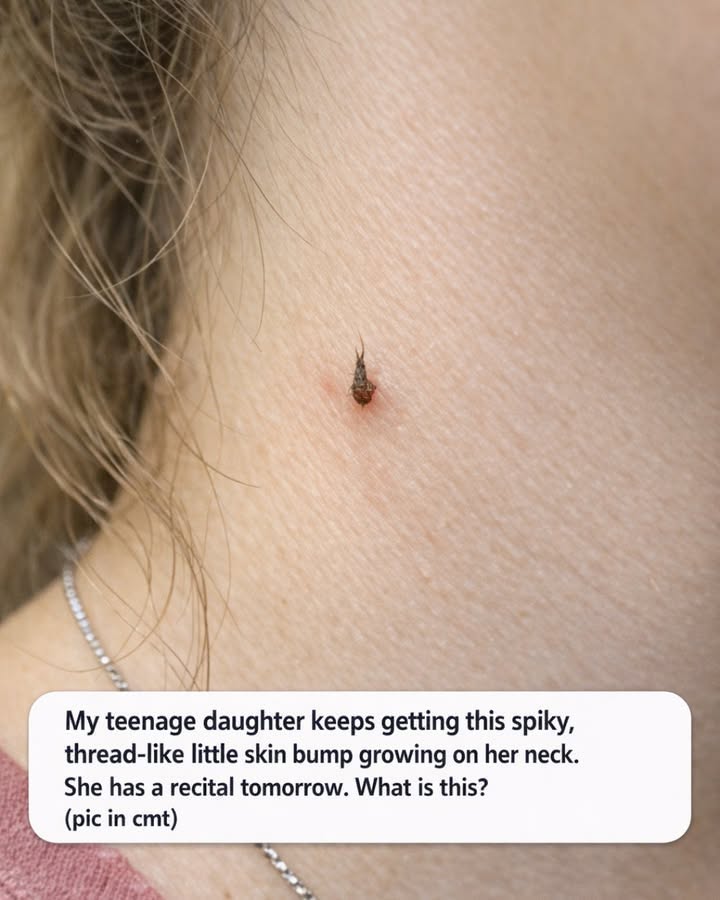
10. Common treatment options after the recital
Treatment depends on the exact location and size. In a doctor’s office, common options include carefully applied liquid nitrogen freezing, snipping the lesion after numbing, electrosurgery, or a prescription topical treatment. For a small filiform wart on the neck, removal can sometimes be done in just a few minutes.
Healing time varies. After freezing, the area may redden for 1 to 3 days and sometimes form a small crust or blister. After a simple snip removal, there may be a tiny sore spot for several days. Many people do well with basic aftercare: gentle cleansing, petroleum jelly, and keeping the area from rubbing. Exact instructions should come from the treating clinician.
11. When to call sooner rather than later
You don’t necessarily need a midnight panic, but a few signs should move this up the list. Call a doctor sooner if the bump is changing rapidly over days, is very dark or unevenly colored, bleeds on its own, is painful, is attached to a larger lump under the skin, or is joined by many new lesions in a short time.
Also seek care if it is near the eye, inside the nostril, or on the lip border, because those areas are trickier to treat safely at home. If your daughter has eczema, takes medicines that affect the immune system, or has a history of unusual skin growths, it’s also wise to have a professional look.
12. How contagious it is in a practical, everyday sense
Warts are contagious, but not in the dramatic way folks sometimes fear. Casual presence in the same room is not the issue. Spread happens more through direct skin contact, picking, shaving over the area, or sharing close-contact personal items like razors, washcloths, or makeup tools.
For the next few weeks, it’s sensible for her not to fiddle with it, not to shave over it, and not to share razors, necklaces that rub the same area, or facial tools. Handwashing after touching the spot is a good habit. Those simple steps lower the chance of spreading it to her own skin or someone else’s.
