
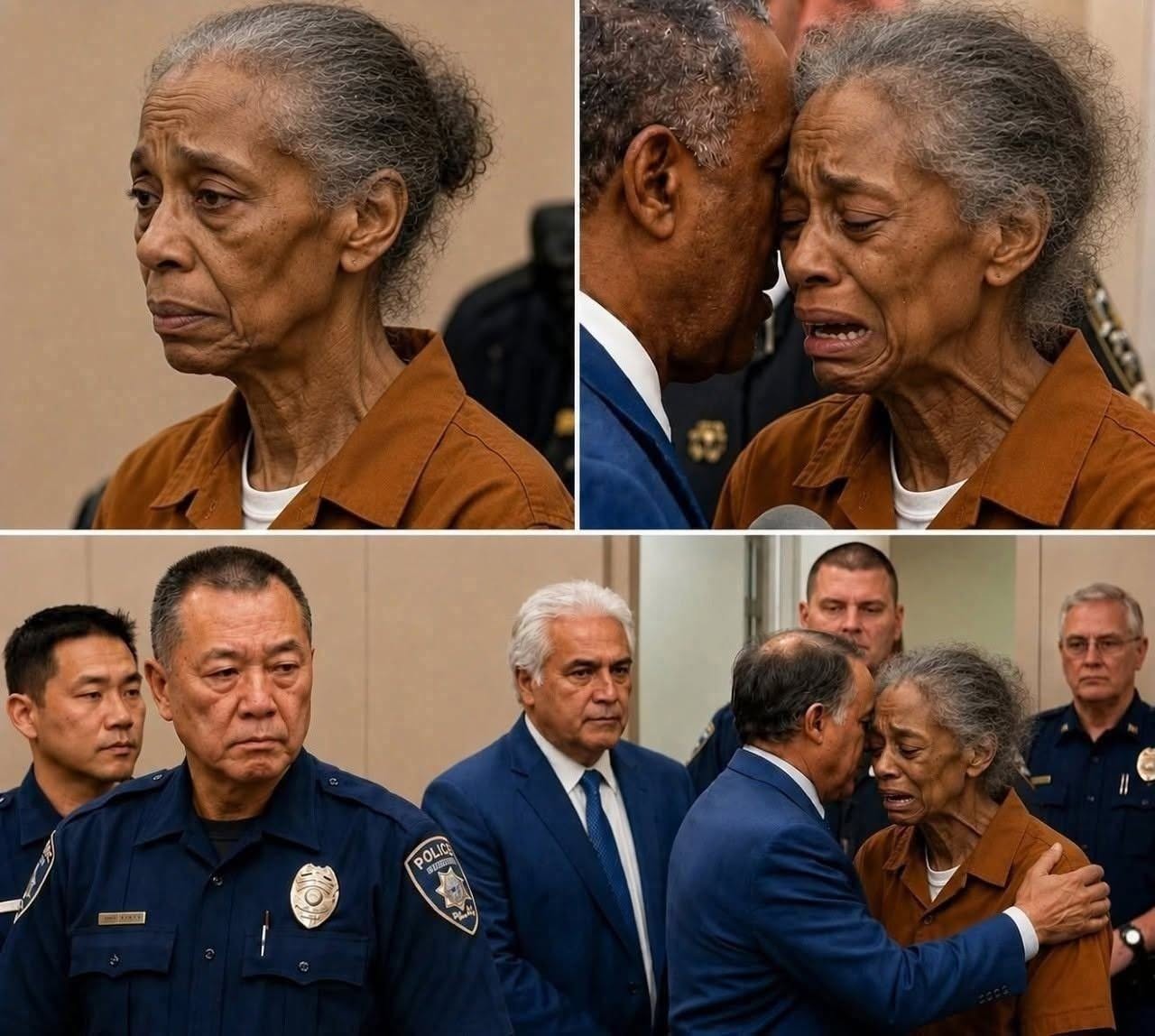
It demonstrates why readers should never rely on an incomplete headline when the story involves a serious crime.
Before sharing, ask:
Who was sentenced?
Who was the victim?
What exactly was the sentence?
What charges produced it?
When did this happen?
Those five questions can prevent a great deal of misinformation.
Why social media headlines leave out details
Modern online headlines compete for attention.
A straightforward headline might say:
“Man Sentenced to 150 Years to Life for Killing Philanthropist Jacqueline Avant.”
That is factual but relatively long.
A social-media account may instead create a mysterious headline:
“Old Woman Sentenced to 150 Years After She Ra… See More.”
The second version creates a curiosity gap.
Readers want to know what happened.
They click.
They comment.
They share.
But the shorter headline may also create confusion.
This is why responsible readers should distinguish between the headline's wording and the underlying reporting.
The danger of filling in missing information
When a headline ends with:
“After she ra…”
our brains automatically try to complete the sentence.
Maybe she robbed someone.
Maybe she ran from police.
Maybe she committed fraud.
Maybe she attacked someone.
The possibilities are endless.
But until the actual article provides the missing information, none of those assumptions are justified.
This is a useful lesson far beyond crime stories.
Whenever you encounter a dramatic headline that deliberately withholds the conclusion, resist the temptation to invent the ending yourself.
Read the full story.
Look for the original reporting.
Check the date.
Identify the location.
And determine whether the headline is describing the defendant or the victim.
The human cost of violent crime
The Avant case also reminds us that crime statistics can obscure individual suffering.
A murder statistic might be presented as one number.
But for a family, that number represents a person.
Jacqueline Avant was a mother, wife, friend and community leader.
Her death changed her family's life permanently.
Her daughter later spoke publicly about the devastation caused by the killing.
L
Los Angeles Times
For communities, high-profile crimes can also create fear.
The Avant killing occurred during a period when concern about residential crime was already high in Los Angeles.
