
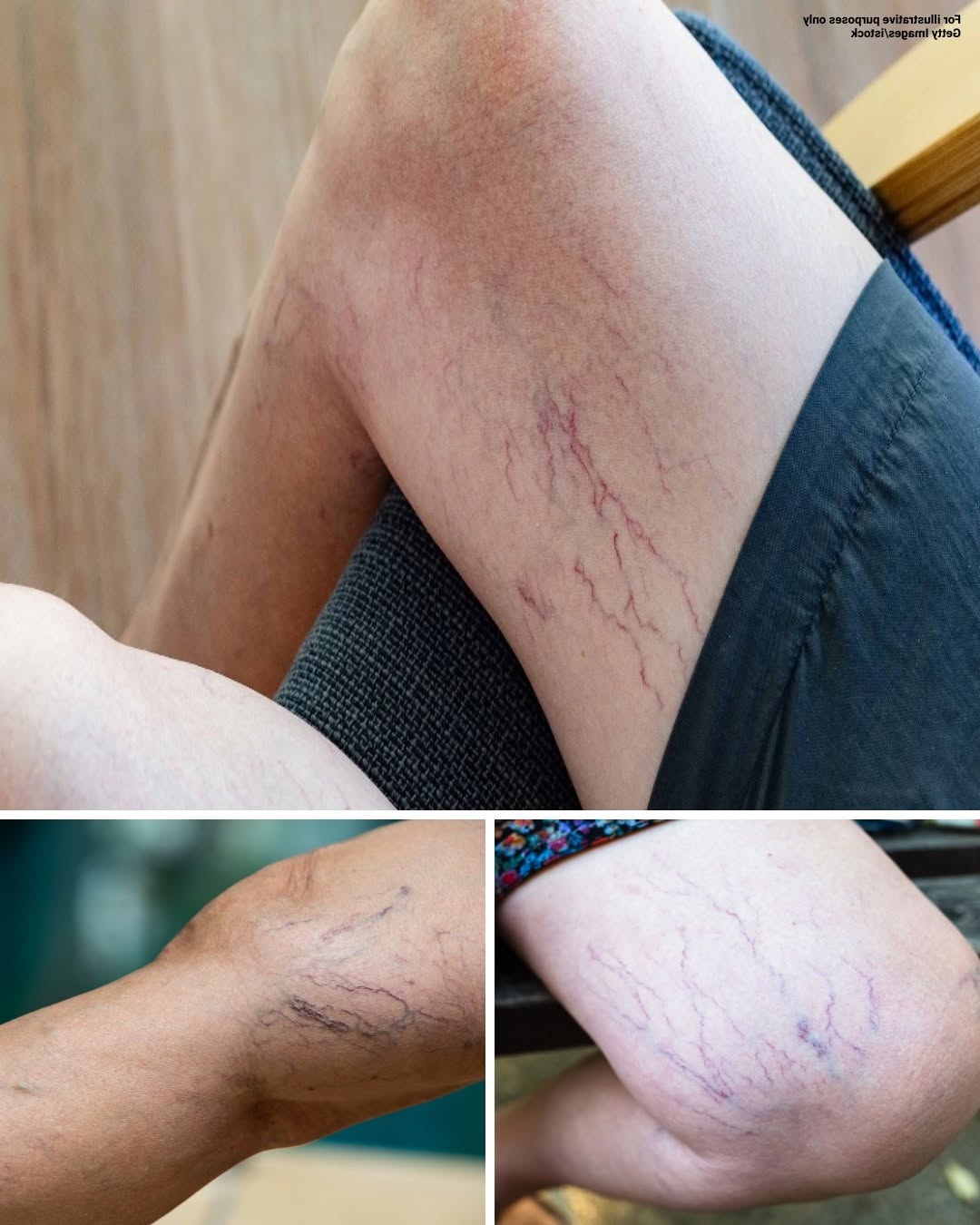
Purple veins on the legs are more than just a cosmetic concern. While many people notice small purple, blue, or red veins appearing over time and assume they’re harmless, these visible veins can sometimes be an early warning sign of poor circulation or underlying vein disease.
Understanding why they appear, what symptoms to watch for, and how to prevent them can help protect both your health and your quality of life.
In this comprehensive guide, we’ll explore the most common causes of purple veins, risk factors, symptoms, treatment options, and lifestyle changes that may improve vein health naturally.
What Are Purple Veins?
Purple veins are enlarged or damaged blood vessels that become visible beneath the skin. They often appear as:
- Thin purple or red spider-like veins
- Blue or purple branching veins
- Twisted, bulging varicose veins
These veins commonly develop on the:
- Thighs
- Calves
- Ankles
- Behind the knees
Although many cases are harmless, they may indicate that blood isn’t flowing efficiently back to the heart.
Why Do Purple Veins Appear?
Healthy veins contain tiny one-way valves that keep blood moving upward toward the heart. When these valves weaken or become damaged, blood begins to pool inside the veins.
As pressure builds, the veins stretch, enlarge, and become visible through the skin.
This condition is known as chronic venous insufficiency, one of the leading causes of spider veins and varicose veins.
Common Causes of Purple Veins on the Legs
1. Genetics
Family history is one of the strongest predictors.
If your parents or grandparents had varicose veins or spider veins, you’re significantly more likely to develop them.
Inherited weak vein walls and faulty vein valves make it easier for veins to enlarge over time.
2. Poor Blood Circulation
Poor circulation prevents blood from flowing efficiently back to the heart.
This creates pressure inside the veins, eventually causing visible purple veins.
Common circulation problems include:
- Sitting for long hours
- Standing all day at work
- Lack of regular exercise
- Smoking
- Diabetes
- High blood pressure
