
A heart-healthy diet also benefits your veins.
Consider including:
- Citrus fruits
- Blueberries
- Leafy green vegetables
- Tomatoes
- Nuts
- Seeds
- Whole grains
- Salmon
- Olive oil
These foods provide antioxidants, vitamins, and nutrients that support blood vessel health.
When Should You See a Doctor?
Seek medical advice if you experience:
- Persistent leg pain
- Significant swelling
- Bleeding veins
- Skin ulcers
- Sudden warmth or redness
- Rapid worsening of symptoms
Early treatment often prevents complications and improves long-term outcomes.
Final Thoughts
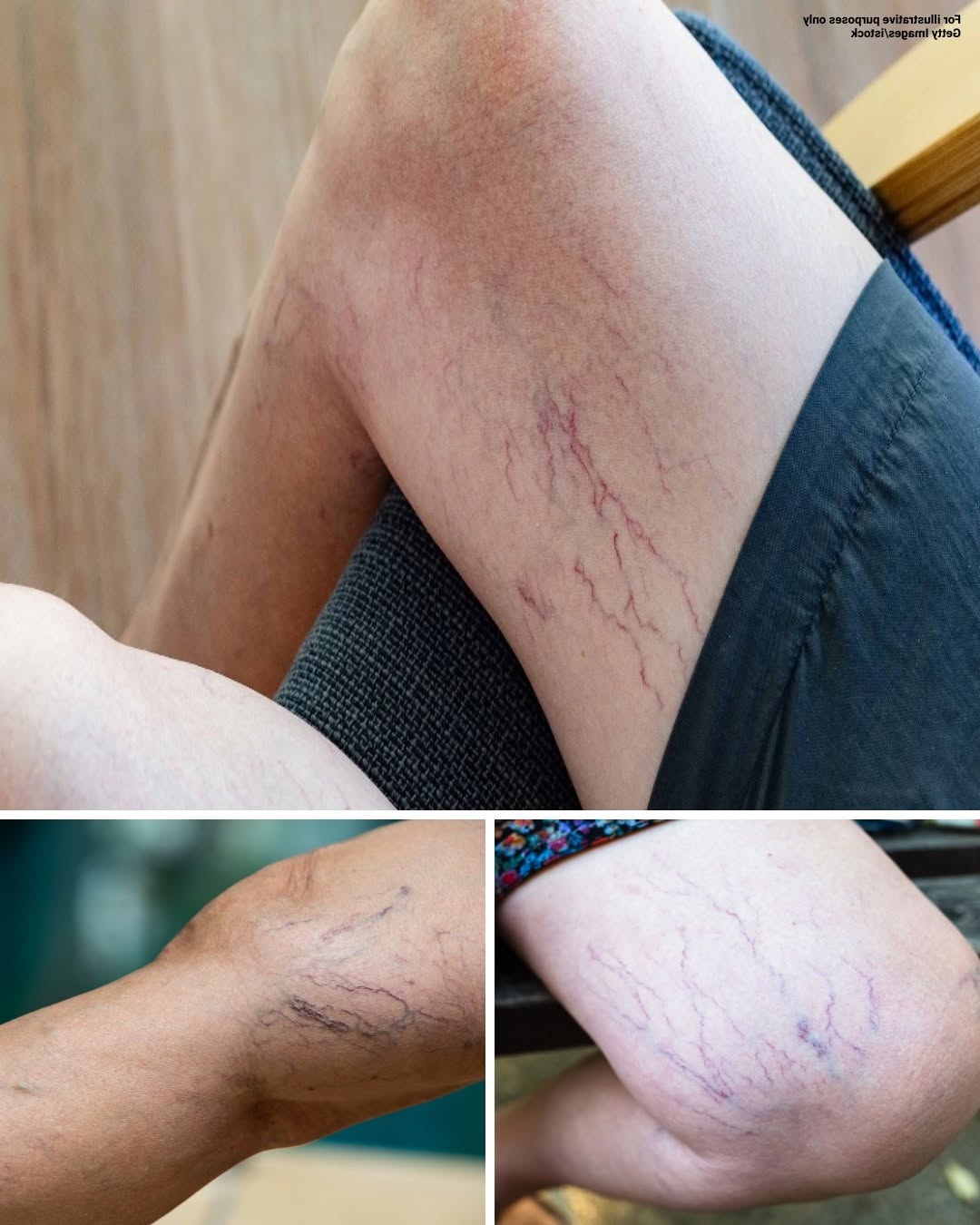
Purple veins on the legs are extremely common and often develop gradually over many years. While they may simply be a cosmetic concern for some people, they can also be an early sign of underlying vein disease or poor circulation. Paying attention to symptoms, staying physically active, maintaining a healthy weight, and seeking medical advice when needed can help protect your vein health and reduce the risk of complications.
If your purple veins are accompanied by pain, swelling, skin changes, or worsening discomfort, don’t ignore them. An evaluation by a qualified healthcare professional can determine the cause and recommend the most appropriate treatment.
Disclaimer: This article is for informational purposes only and should not be considered medical advice. Always consult a qualified healthcare provider for diagnosis and treatment of any medical condition.
