
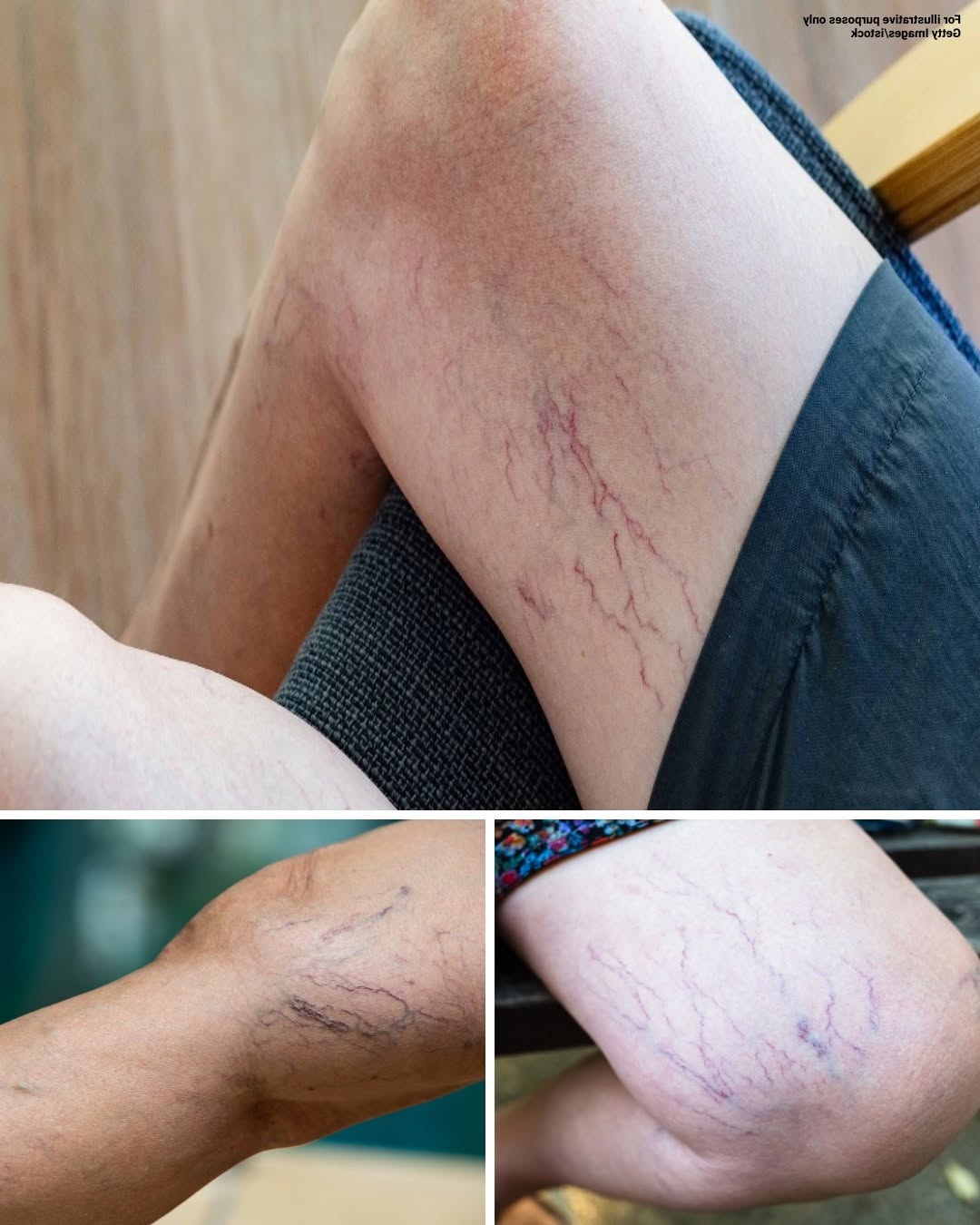
Modern lifestyles involve prolonged sitting at desks, driving, or watching television.
Without regular leg movement, the calf muscles don’t pump blood upward effectively.
The result is:
- Blood pooling
- Increased vein pressure
- Weakened vein valves
- Development of spider veins
4. Excess Body Weight
Being overweight increases pressure on the veins in your legs.
Extra weight forces veins to work harder, eventually damaging the valves responsible for healthy blood flow.
Weight management can significantly reduce your risk of developing vein disease.
5. Aging
As we age, veins naturally lose elasticity.
The valves inside the veins become weaker, making it easier for blood to flow backward.
This explains why varicose veins become increasingly common after age 50.
6. Hormonal Changes
Hormones affect the flexibility of blood vessel walls.
Women often develop spider veins during:
- Pregnancy
- Menopause
- Hormone replacement therapy
- Birth control use
Pregnancy is especially challenging because increased blood volume and pressure from the growing uterus affect leg circulation.
7. Standing for Long Hours
Certain professions place workers at higher risk, including:
- Nurses
- Teachers
- Hairdressers
- Retail workers
- Factory employees
- Chefs
Standing all day allows gravity to increase pressure inside leg veins.
8. Smoking
Smoking damages blood vessels and reduces oxygen delivery throughout the body.
Over time, it weakens vein walls and contributes to poor circulation.
Quitting smoking benefits both cardiovascular health and vein health.
